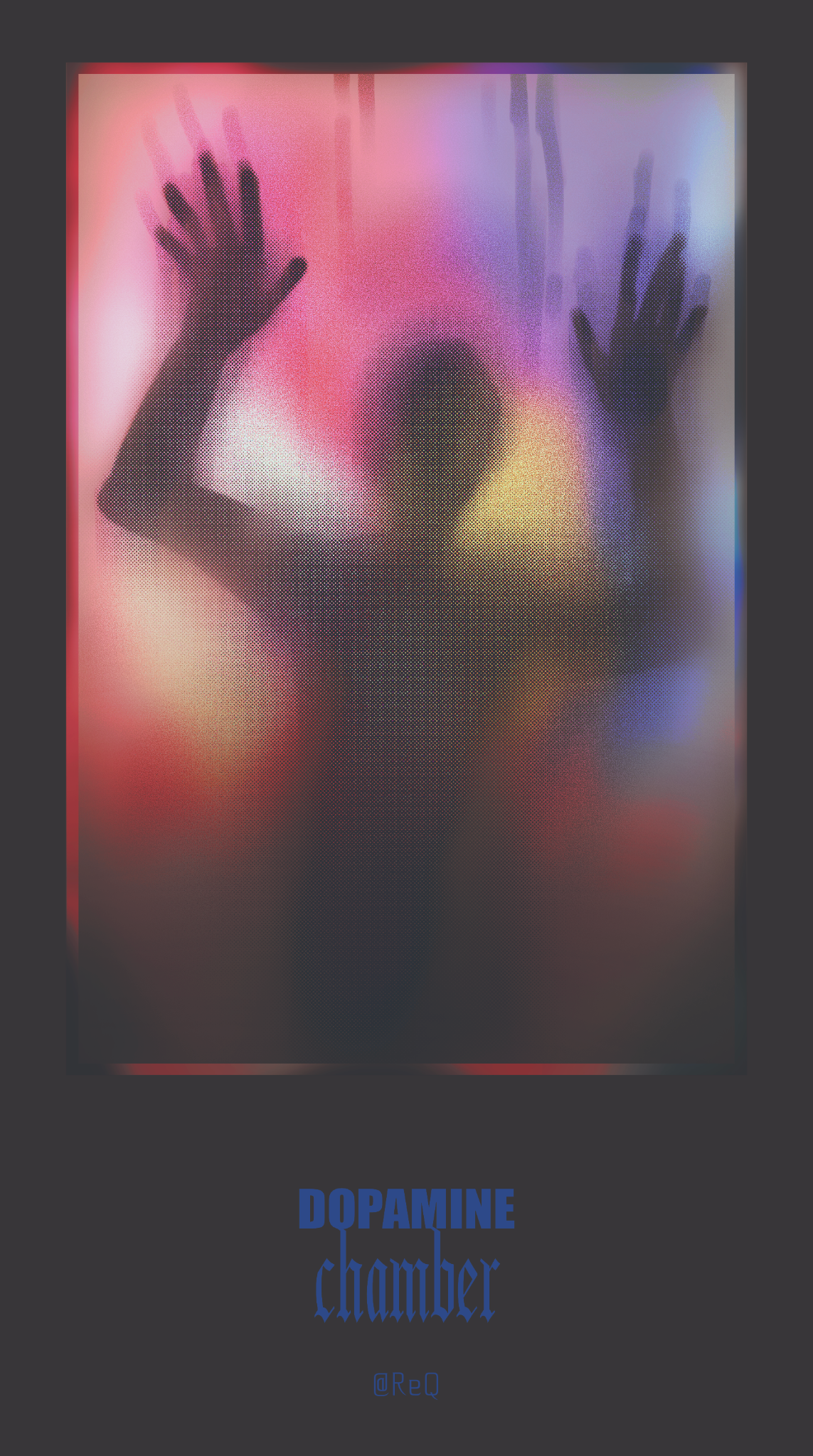

Two years after the success of their Grammy-nominated album “Romance,” Irish rock band Fontaines D.C. released their fifth album “Dopamine Chamber” on Oct. 16.
Fontaines D.C. created a catastrophic atmosphere in “Dopamine Chamber” by blending synth-driven rock with brooding, timely lyricism in their 11 new songs. The album explores the “Dopamine Chamber” as a metaphor for an addiction to escapism, using temporary distractions such as relationships and social media to ignore a dystopian reality of environmental destruction. Each song reveals feelings of hopelessness and insignificance, making the album’s atmosphere feel almost apocalyptic.
The album was produced in Suffolk, England by James Ford, best known for his work with other alternative rock bands including Arctic Monkeys and Blur. Despite featuring the same producer as “Romance,” there is a distinct musical and thematic evolution in their newest album. This album’s electric sound and existential themes have matured from the previous album’s nostalgic indie rock.
The album cover for “Dopamine Chamber” also features bright pinks and blue reminiscent of the band’s cover for the 2024 album “Romance.” However, the new cover’s depiction of a blurred face with despondent eyes feel indicative of the album’s darker, dissociative lyrics.
“With every album, I feel like we always try and push, the like, sonic palette,” drummer Tom Coll told BBC Radio 6 in an interview about the new album. “But in terms of like, the mission statement of the intent behind the music, it’s always trying to write alternative music with a pop sensibility, I feel.”
“Dopamine Chamber” features an experimental sound and introspective lyrics characteristic of the post-punk genre. Influenced by the evolution of social media and artificial intelligence, “Dopamine Chamber” feels like a sinister warning of the dangers superficial distractions pose on genuine connection. Opening track “Six Shot Morning” immediately sets an ominous tone for the album. The song describes a narrator who is searching for distraction in a dreamworld of violence and emotional detachment. Its lyrics are fuelled by cynicism — painting a dismal scene for the following tracks.
The song “One Man” disillusions the listener about building genuine connections within a modernized society with its cynical lyrics.. It uses gritty vocals and a steady pace to move the message forward. Lead vocalist Grian Chatten recorded the song in Palermo, Italy using a makeshift sound booth. The song closes with the audio of children playing at a nearby cathedral, capturing the album’s dystopian sense that hope is just out of reach for the narrator.
“Dopamine chamber just tryna kill the pain / You can’t escape the feeling once you’ve given it a name,” Chatten sings in “One Man,” describing the narrator’s desire for artificial satisfaction as a way of coping with their existential dread.
Fontaines D.C. released their lead single “Marianne” in August ahead of the album’s official release date. Its synth instrumentals give the track an otherworldly element, featuring a cello, violin and double bass to create its gloomy and dream-like mood. The song’s lyrics feed into its fantasy element, telling listeners “you can go on dreaming” and “I can help you disappear.” The layered vocals from Chatten and Conor Deegan III capture a dissociative feeling central to the album’s eerie sound.
Another standout track is the haunting duet “Where Is Gone?” featuring Spanish singer-songwriter ROSALÍA. This orchestral ballad is Fontaines D.C.’s first collaboration with a guest vocalist. The harmonized chorus effectively captures the song’s story of a dysfunctional relationship and the emotional turbulence of falling in and out of love. Its slower tempo feels out of place within the album’s predominantly stadium-rock sound, but the lyrics blending attraction and apathy perfectly capture the record’s skeptical outlook on romance.
The five-piece band celebrated their album release with three new music videos for their tracks “Marianne,” “Japan” and “Tongue.” Actors Charlie Heaton and Angèle Metzger co-star in the music video for the penultimate track “Japan.” The video’s surreal visuals build on the song’s themes of performative relationships and psychological isolation with a sinister plot and dark color palette to match its gloomy soundscape.
The album reaches a climactic end with the track “Intimate” which feels perfect for a stadium atmosphere. The instrumentals feature a heavy bass and percussion which builds in intensity throughout the song. Chatten wrote the song while sitting in an Italian bar, attempting to capture the chaos of his surroundings with repetitive lyrics which linger in the listener’s mind even after the music has ended.
Fueled by existential dread, “Dopamine Chamber” is an album that embraces pain and despair. Its desolate imagery feels like a cautionary warning of a society heading towards collapse, reflecting the drastic evolution from Fontaines D.C.’s Dublin debut to tackling a global platform.
Isabella Moody is an Arts & Entertainment Intern for the Fall 2026 quarter. She can be reached at moodyi@uci.edu.
Edited by Jocelyn Cosgrove.

Interested in becoming an intern or a contributing writer for the Entertainment section?
Contact us at entertainment@newuniversity.org!