

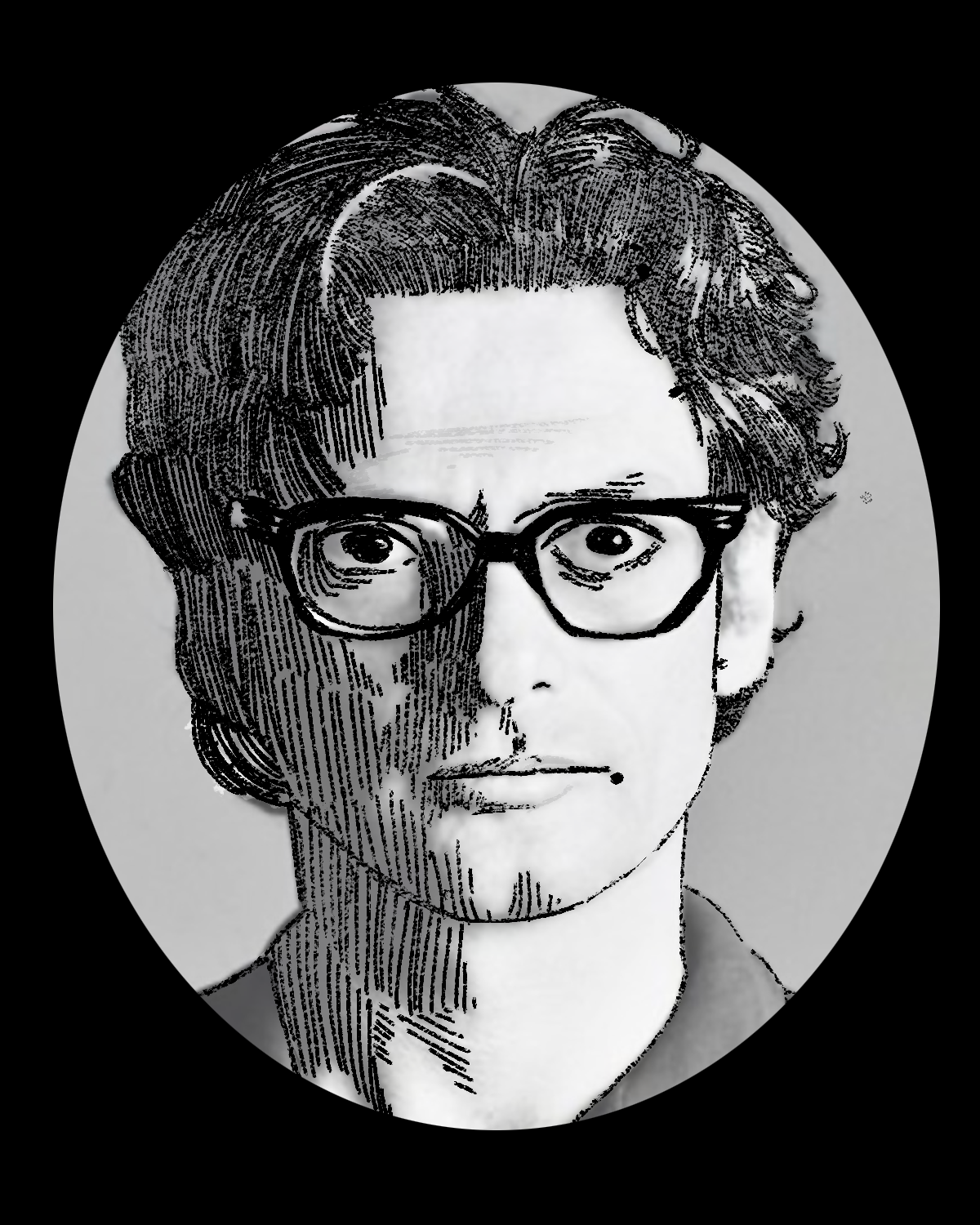

From photographing celebrity figures like Marilyn Monroe to civil rights activists and working-class Americans, Richard Avedon built a legacy for himself as one of the most prolific photographers of the 20th century. Netflix’s new documentary “Avedon,” released on Nov. 11., gives viewers modern insight into the photographer’s life with exclusive interviews from his family, close friends and colleagues.
“Avedon” was directed by Oscar award-winning Ron Howard, acclaimed for his work on other true story films such as “Apollo 13” and “Pavarotti.” His latest documentary follows the early life and career of Avedon, who got his start as a passport photographer for the United States Merchant Marine Academy in the second World War. Photographing thousands of baffled faces each day inspired him to pursue portrait photography at The New School’s Design Laboratory. From his first commissioned work at Harper’s Bazaar magazine in 1944, Avedon was catapulted into the world of fashion photography. Howard tells Avedon’s life story through hundreds of photographs he took throughout his career, layering the portraits with archival interviews and behind-the-scenes footage from Avedon’s photoshoots.
By uplifting the cultural significance of Avedon’s work, the documentary also gives equal insight on the portraitist himself. It captures the tension of trying to depict his own feelings through the people he photographed that Avedon lived with as an artist. Howard manages to place Avedon at the center of the documentary, using the photographer’s old interview clips to tell the story of his career and personal life in his own words.
“I can say very little about photography,” Avedon said in the film’s opening scene, speaking directly to the camera. “I follow no rules, no laws and no advice.”
Howard’s documentary illuminates how Avedon’s innovative techniques and distinct photography style redefined 20th century visual culture. Each portrait Avedon took was informed by an endless fascination in the human condition — evident in his recognizable black and white portraits that often explored themes of alienation and isolation. The documentary highlights one of Avedon’s most celebrated portraits, a still shot of Monroe caught off-guard after a long day of shooting. The photograph revealed a melancholic side of Monroe that very few had been able to capture, demonstrating Avedon’s unique stylistic ability to strip back his models’ celebrity status and reveal something deeper about their disposition.
“When you go in front of Avedon’s camera, you’re not just posing for a portrait, you’re looking for what it is in you that he sees,” writer John Lahr said in the documentary, revealing how Avedon cultivated a close relationship with each of his models.
The documentary delves into Avedon’s upbringing in an attempt to explain his unique creative process. As the first director to receive exclusive access to the Richard Avedon Foundation’s archives, Howard uses unseen home videos and photographs to trace Avedon’s earliest experiences behind a camera. Avedon’s first muse, his younger sister who lived with schizophrenia, later inspired him to seek “tragic beauty” in his models. Howard presents Avedon as a revolutionary who pioneered new techniques of taking fashion photography. The documentary highlights how Avedon’s photographs’ consistent backgrounds of “existential white” gave viewers a window into his subject’s soul — immortalizing the raw and honest connection between him and his models.
“One of the big themes in his life and his work as an artist is the indignity of suffering,” his son John Avedon said in the documentary, alluding to his father’s preoccupation with presenting public figures in a way that challenged their public perception.
Howard’s documentary demonstrates that Avedon was not only a creative influence but an involved activist. “Avedon” illuminates the role that his photographs had in changing public perception during the Civil Rights Movement in 1963 by detailing his work on “Nothing Personal,” a book he published in collaboration with his close friend James Baldwin. Avedon accompanied Baldwin’s writing with images that called for an end to injustice in the U.S. and reinforced Avedon’s value for human connection.
This compelling documentary successfully depicts Avedon’s legacy as a man who reconceptualized photography as an art form. This is best represented by the “Avedon: Photographs 1947-1977” exhibition at the Metropolitan Museum of Art in 1978, a celebration of his six-decade long career involving 16,000 sittings. The documentary details how this exhibition encapsulated Avedon’s transformative ability to humanize his models, from global celebrities to coal miners in his “In the American West” series. The exhibition not only redefined Avedon’s career as a professional artist, but also demonstrated that photography belonged in gallery and museum contexts and illustrated his lasting impact on the world of photography and visual culture.
“What makes a good photographer is not his technique, it’s the mind behind the camera,” Avedon said in an archival interview clip.
Isabella Moody is an Arts & Entertainment Intern for the fall 2026 quarter. She can be reached at moodyi@uci.edu.
Edited by Jocelyn Cosgrove and Riley Schnittger.

Interested in becoming an intern or a contributing writer for the Entertainment section?
Contact us at entertainment@newuniversity.org!