



Editor’s Note: This article contains discussions of suicide and murder.
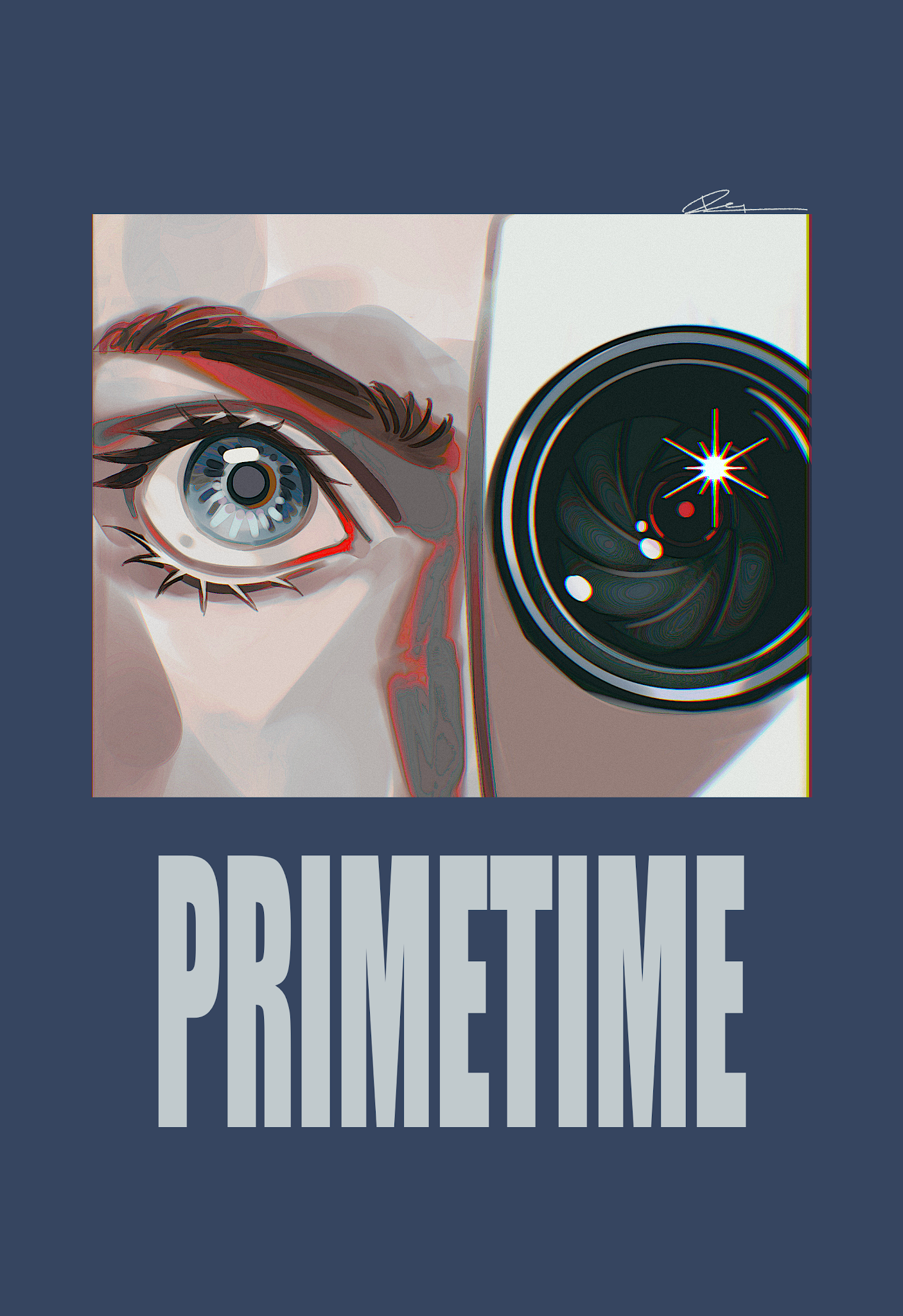
The official trailer for A24’s new film “Primetime,” which focuses on true events about the hit reality TV show “To Catch a Predator,” was released on Aug. 6. The film is set to release to U.S. theaters on Sept. 25.
“To Catch a Predator” was a very popular and controversial TV show on Dateline NBC. The show ran from 2004 to 2007 and focused on investigating online predators through hidden cameras and decoys. At the end of each episode, the predators would be confronted by the host of the show, Chris Hansen, and turned over to the police after talking with him.
The new A24 film really homes in on the chaos that goes into making a show like this come to life. The trailer features haunting shots, vivid coloring and suspenseful pacing that will surely go into making the film a thrilling and chilling watch.
Robert Pattinson plays Chris Hansen, and from the trailer, he seems to be doing an excellent job. His mannerisms and speech patterns are scarily similar to Hansen’s. He has not only mastered his impersonation, but he has also mastered giving an intense and unsettling performance that highlights the uncomfortable realities of the show.
Inevitably, there are many moral issues and quandaries to unpack within this film, since they seem to be the crux of what it will explore.
First, there is the use of decoys. Much of the trailer focuses on a decoy named Dan Plumb (Skyler Gisondo). The character is shown as anxious, not fully understanding or feeling prepared for what is going on or what he needs to do in his role. The suspense and tension are high as this adult decoy poses as a teenager, attempting to lure in a suspected predator. This inclusion of a decoy’s perspective hints at unspoken implications of their involvement, including trauma, anxiety and depression.
There is also the issue of fame. “To Catch a Predator” became more famous and watched as it was moved to primetime, when the number of viewers was at its highest for network television. This, along with the growing support of the audience, skyrocketed the show and Chris Hansen to fame. This desire to become and remain famous coincided with other major concerns over what the show truly aimed to accomplish. Fame tends to obscure the lines of morality, and for an issue that’s already so morally confounding, this certainly exacerbates the problem.
While there are many more controversies that could be picked up from both the television show and the new A24 film, one of the biggest and most compelling may be monetization and sensationalism.
This is highlighted in one of the most interesting and stand-out scenes from the trailer when a character asks, “Don’t you ever just want to bleed them?”
Pattinson replies, grinning and laughing afterwards, “Maybe what I do is a little bit worse.”
This quote and the eerie pacing of the trailer set this film up to dive into deep topics such as deception, morality and reality. The trailer also explores an additional theme: the problem with creating reality television about heavy and potentially triggering issues.
At the very start of reality TV, most shows were relatively tame in nature. This was until popular shows like “The Jerry Springer Show” came about and introduced the idea of sensationalization. Reality shows began featuring much more shocking footage, with the most popular being guests physically fighting each other. People became commodities that these shows used for clicks.
These types of shows mostly ended, however, after an incident on the “Jenny Jones” show. In 1995, two male guests appeared in an episode, where one confessed their feelings for the other. This greatly upset the guest who was confessed to, leading him to fatally shoot the confessor only three days later.
This is not much different from how things turned out for “To Catch a Predator.” In 2007, the show abruptly ended when the target of an episode, Bill Conradt, committed suicide within 60 minutes of police arriving at his home after he had failed to show up to the decoy house.
While it is normal for reality shows to face controversy over protecting their guests, the main difference is that “To Catch a Predator” targeted criminals and predators. It is easy to say that people on other shows do not deserve any harm that befalls them. It is difficult to say the same about the men targeted in “To Catch a Predator.”
This film is sure to leave viewers with many lingering questions about how they and society define their values. By the end of the film, you may either sympathize, support or harbor resentment towards Pattinson’s character, whose methods will likely test viewers — especially after his statement near the end of the trailer: “Your definition of bad and my definition of bad are vastly different.”
Kelly Saenz is an Arts & Entertainment Intern for the summer 2026 quarter. She can be reached at saenzkm@uci.edu.
Edited by Travis Foley and Zara Baker.

Interested in becoming an intern or a contributing writer for the Entertainment section?
Contact us at entertainment@newuniversity.org!