

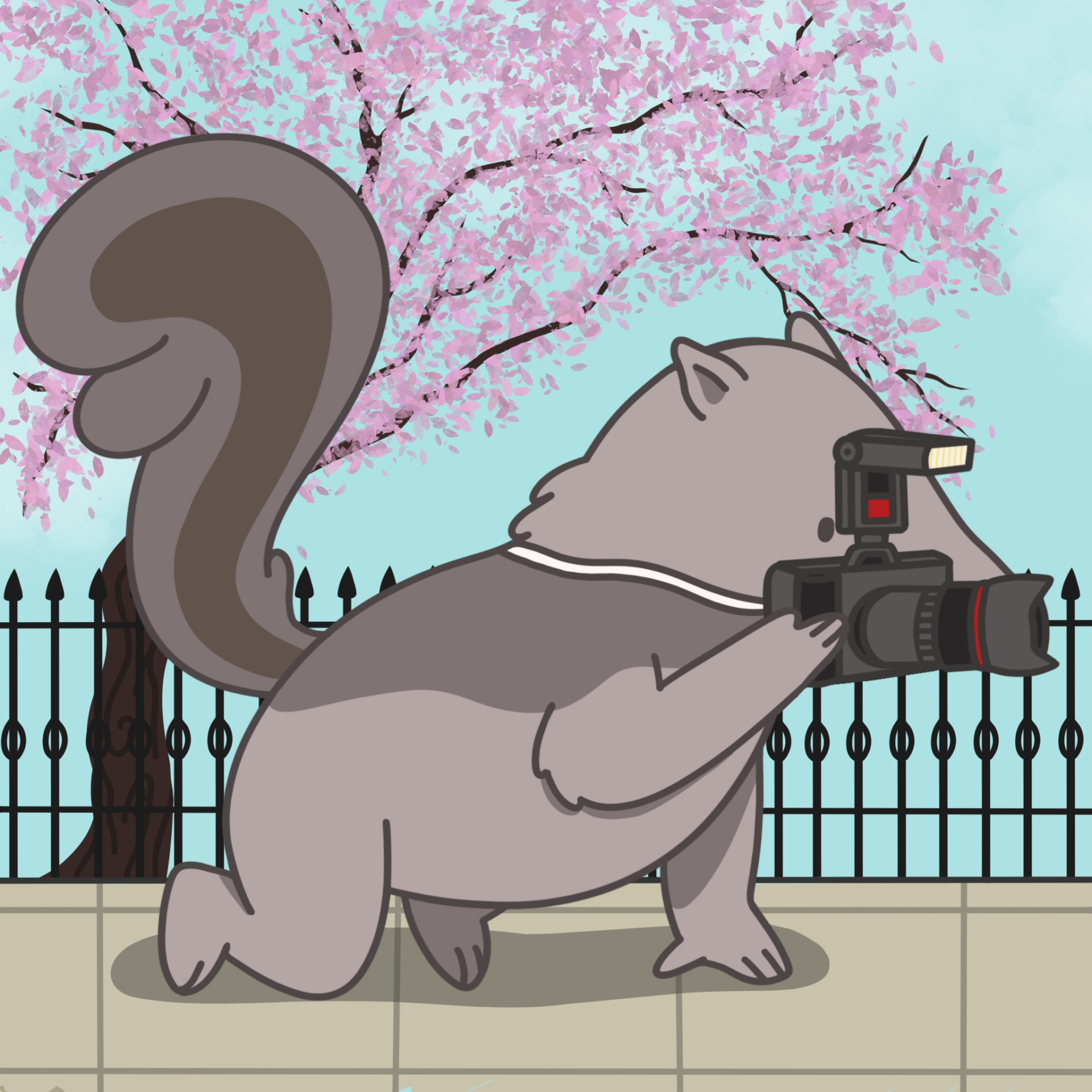


Paparazzi are a plague to privacy. In today’s world, they fuel cheesy tabloid culture by taking pictures of the famous in borderline aggressive ways. The paparazzi have used the First Amendment’s freedom of the press clause to photograph as they pleased, claiming that privacy shouldn’t be expected in public spaces. However, the paparazzi have started to blur the lines between public and private spaces, using predatory angles to exploit the legal loopholes and achieve the perfect picture.
Updated technologies like remote-controlled drones allow photographers to use invasive methods to get their photos, avoiding the few measures set by judicial precedent. Paparazzi should have more government-backed regulation and criminalization because their tactics promote and protect illegal stalking. The few regulations that are in place have not kept up with the development of contemporary twenty-first-century technologies.
With these current regulations, paparazzi can easily hide behind the freedom of the press to engage in exploitative stalking behavior. In 2012, paparazzi engaged in high-speed freeway chases that were very dangerous to secure their photos of teen pop star Justin Bieber. They were criminally charged, but their legal team claimed protection under the First Amendment. A Los Angeles Superior Court judge agreed and threw the case out. The decision was appealed, but the appellate court overturned it, upholding a 2010 anti-paparazzi law involving chases that was created partly because of Jennifer Aniston’s own paparazzi troubles. Even so, the decision from the Superior Court highlights how easily paparazzi can exploit the broad protections of the First Amendment.
There’s clear precedent on how the government handles paparazzi that cower behind the First Amendment too — dating all the way back to 1973. Ron Galella was a notorious photographer who routinely stalked Jackie Kennedy Onassis, the wife of the late U.S. President John F. Kennedy, and her children. He used predatory and unethical tactics like bribing doormen and following her closely while she swam. He was detained after causing Jack Jr., her son, to almost swerve in traffic while taking their pictures in Central Park. Galella audaciously sued her, stating she interfered with his trade, and she countersued for harassment (Galella v. Onassis). He argued that he was well within his First Amendment rights, but the U.S. Court of Appeals made a decision that journalists and photographers can’t hide behind the First Amendment for use of aggressive tactics to obtain their images.
The only way for individuals to block paparazzi is by launching a civil suit after they have been harassed, because there are no active preventative measures to ensure their public safety from aggressive photographers. Civil suits are very arduous, expensive, and time-intensive, making it even more difficult for common people to file them. By properly incorporating restrictions through government regulation and the criminal code, law enforcement can actively stop the harassment in its tracks.
But this precedent from 1973 is mostly outdated. Now, there’s new toys and gadgets that paparazzi can use. One such infamous example was in 2014, when drone technologies started to become heavily commercialized and utilized by the paparazzi. During that time, many celebrities and high-profile individuals were subject to unethical aerial photography.
In 2014, paparazzi drones were hovering above Miley Cyrus’s home, spying on her while she sat in her backyard. She recorded it and posted it on Instagram, but nothing much could be done by local authorities because there was no legal mechanism at the time.
Such high-profile incidents prompted the California State Legislature to launch Assembly Bill 856, which restricted airspace above private property and made the use of paparazzi drones to get details illegal. However, more legislation is needed to criminalize predatory paparazzi practices — especially with the emergence of new tactics like Apple Tags being covertly used on track cars and Ray-Ban Meta glasses being used to spy inconspicuously. While the state of California took some steps in the right direction, the government should outline a more standardized nationwide policy on paparazzi technology and methods, as it’s a clear violation of personal privacy.
Whenever the paparazzi employ new unethical ways to get their pictures, the government responds with a patch to solve things temporarily. The people need regulations that preemptively prevent paparazzi from harassing and stalking their victims.
Aggressive and highly unethical paparazzi practices in modern media should be standardized in government regulation because the protections outlined in the First Amendment are too broad and new invasive technologies are outpacing the law. Paparazzi culture itself is a plague that can’t be wiped, but it can be pacified. By creating effective anti-paparazzi standards on the federal level, the government can help make predatory paparazzi a thing of the past.
Aarya Banerjee is an Opinion Intern for summer 2026 quarter. He can be reached at asbaner1@uci.edu.
Edited by Julia Kremenetsky

Interested in becoming an intern or a contributing writer for the Opinion section?
Contact us at opinion@newuniversity.org!