

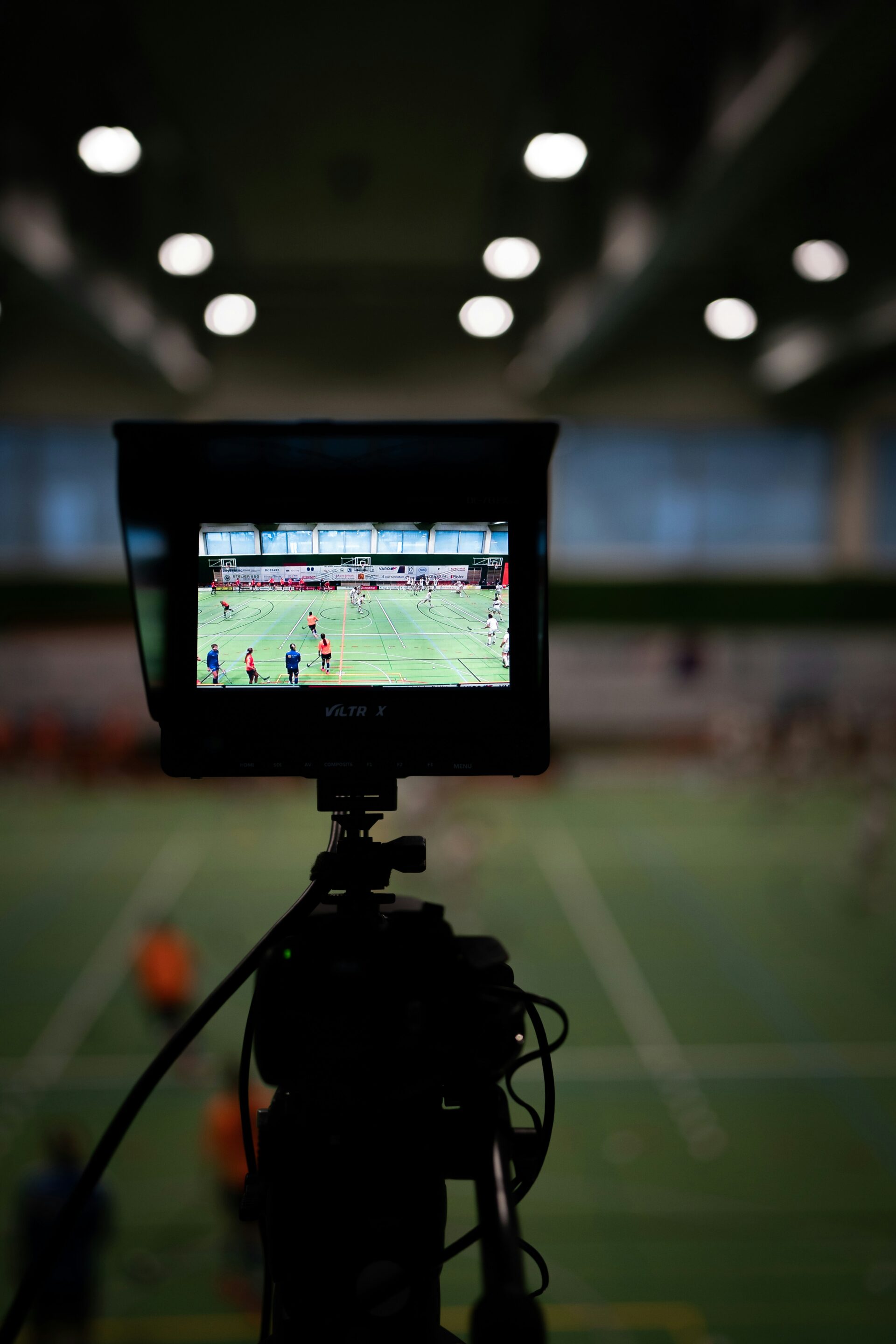

After UC Irvine Athletics paused the use of video assistant referee (VAR) during the 2025 soccer season, UCI reintroduced VAR at the Anteater Stadium for the 2026 season. In the women’s soccer opening match on August 12 against Utah Tech University, the system was featured in a goal check that equalized the match for Irvine’s final goal of the match to end it 1-1. While the review system is back in full swing at UCI, other universities across the country are in no rush to introduce the costly system.
The VAR system has garnered worldwide attention due to several controversial calls in the global 2026 FIFA World Cup tournament. One notable instance was the Portugal and Croatia game on July 2, where a goal was disallowed from Croatia’s sheet near the end of full regulation because midfielder Mario Pašalić was a part of an offside play. However, it was determined Pašalić was only part of the play since the ball, which possesses vibrational detection, recorded a touch from teammate and forward Igor Matanović. The hair touch was debatably not noticeable to viewers or Croatian players. After this controversial call, some see VAR as a distortion of the tradition of soccer, with the Los Angeles Times even calling the system a “villain.”
VAR is composed of video review referees not on the pitch, aided by two different arrangements of VAR, according to FIFA. The first arrangement is regarded as a full VAR system that uses at least four cameras up to an “unlimited amount,” but on the global stage there are typically 45 cameras. The second form is called “VAR light,” which indicates a smaller number of cameras used for the review typically ranging from four to eight cameras. The system was first introduced in the 2018 World Cup, with this year’s tournament being only the third time the system has been used in the game’s 23-tournament history.
VAR looks a little different on the college pitch. For one, there are not as many cameras or referees to operate a VAR system. The budget is simply not there for each university to fund multiple cameras and more referees, according to Top Drawer Soccer. Instead, there is often one additional referee outside of the three referees on the pitch. This outside referee’s job is to look at the camera angles available and notify the head referee when they notice an offside player or a possible penalty in the box. The referee then views the feed through a tablet or laptop screen on the sidelines of the pitch.
For the college conferences that can afford a high-scale VAR system, such as the Southeastern Conference (SEC), the technology is highly advanced. In 2024, the SEC partnered with Hawk-Eye Innovations to implement a SMART system (Synchronized Multi-Angle Replay Technology) that added an additional six cameras to the existing cameras used for broadcast. The cost of the installation and technology for SEC universities is not publicly disclosed, but Hawk-Eye shared with CNBC that the cost of a tracking camera system for the U.S. Open in 2023 was about $100,000 for one court. Each court had about 12 cameras around it.
VAR has its controversies on the college pitch as well, such as the UCI women’s soccer team enduring a goal check in their first game. The sequence began with a free kick granted to UCI after a foul was committed by Utah Tech redshirt junior Lataya Brost. Junior defender Hailey Clingan kicked the ball into the penalty box, creating an opportunity for the Anteaters. The ball was caught by Utah Tech’s sophomore forward Jocelyn Wright’s head, and was sent straight into the back of the net.
A mistaken identity, in part due to the fast-paced nature of a header in the penalty box, required a VAR check to determine who rightfully scored the goal. Mistaken identity is a term for the wrong player being recognized by on-field officials for either committing a foul, or scoring a goal. The check paused playing time for three minutes and brought players off the field and into a huddle near the bench.
At the end of the check, the goal was not recorded by a singular player on the final sheet shared on the UCI Athletics page, but from footage on ESPN+, the ball seems to have been headed by Utah Tech’s Wright.
2019 UCI Alumni goalkeeper and current announcer for UCI soccer games, Alex Waldron, believes VAR is a nuanced conversation.
“If you’re a defender and you’re playing against a striker that handballs the ball in the buildup or is offside in the buildup, then you want the truth on your side,” Waldron said to New University.
For players, VAR can be a useful tool to correct missed fouls from the head referee. On the other hand, these VAR checks could take time away from the game.
“On one side, you’ve got the pursuit of making the right call, which is one thing, and then on the other side you’ve got all these natural things around momentum and the feel of the game that gets lost when you have these stoppages.”
VAR is not going anywhere, as its implementation on the college pitch will continue at UCI.
Trinity Siqueiros is a Sports Staff Writer for the summer 2026 quarter. She can be reached at siqueirt@uci.edu.
Edited by Benjamin Flores

