

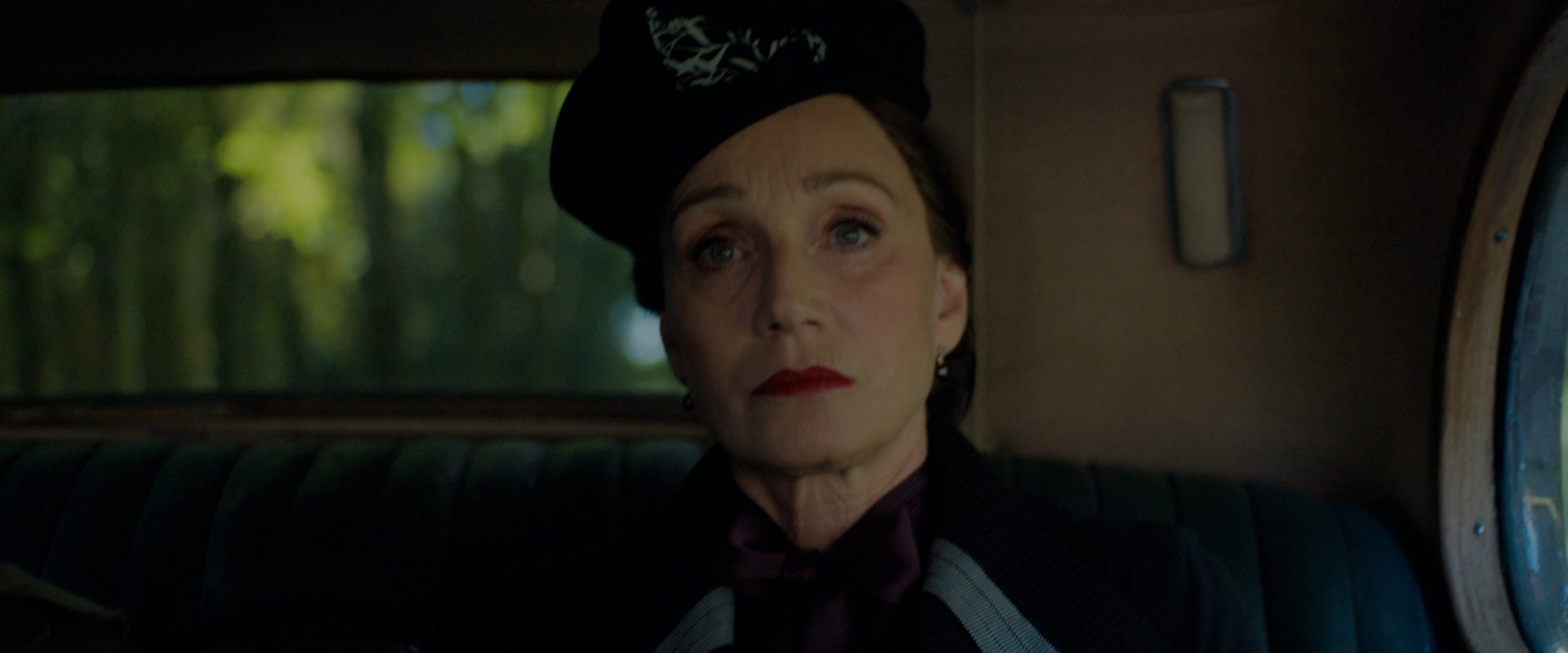


It is difficult to watch Netflix’s “Rebecca,” which was released on Oct. 21, without thinking of the 1940s version of the same name. It’s almost as difficult to imagine the reason why Ben Wheatley, the director, would decide to adapt a book such as “Rebecca,” fully knowing the comparisons that would be drawn between his and Alfred Hitchcock’s award winning classic. However, avoiding comparison is something that must be done to give this film even a semblance of a chance to prove itself. Even without that comparison, Netflix’s “Rebecca” falls short of anything memorable.
“Rebecca” tells the story of a nameless woman who marries a recently widowed man named Maxim De Winter. After knowing each other for a concerningly brief amount of time, they marry and move back to the family manor known as Manderley. Once there, the new bride, referred to only as the second Mrs. De Winters, feels the suffocating presence of Maxim’s dead wife, Rebecca. This presence haunts the manor and the memories of everyone around her, who revere Rebecca as a nearly god-like figure. The new Mrs. De Winters fears she will never be good enough, and justifiably so.
However, one thing, of many, that this adaptation lacks is the ability to make the audience care. Mrs. De Winter, played by Lily James, truly repels any sort of sympathy that we as an audience might have for her, portraying the character as nosy, irritating and generally unlikeable. From constantly fiddling around with things that aren’t hers to having almost no other character traits aside from always being on the verge of tears, James’ character does little to make us care for this half of the De Winters couple. Though this is mostly attributed to the writing of her character itself and not her performance, the same cannot be said for Armie Hammer who plays Maxim De Winter. Adding absolutely nothing to the couple’s chemistry, Hammer’s performance is as lifeless as his character’s previous wife. Hammer fails to convey the aristocratic, reserved demeanor that Maxim should hold, and instead comes off solely as empty and uninterested.
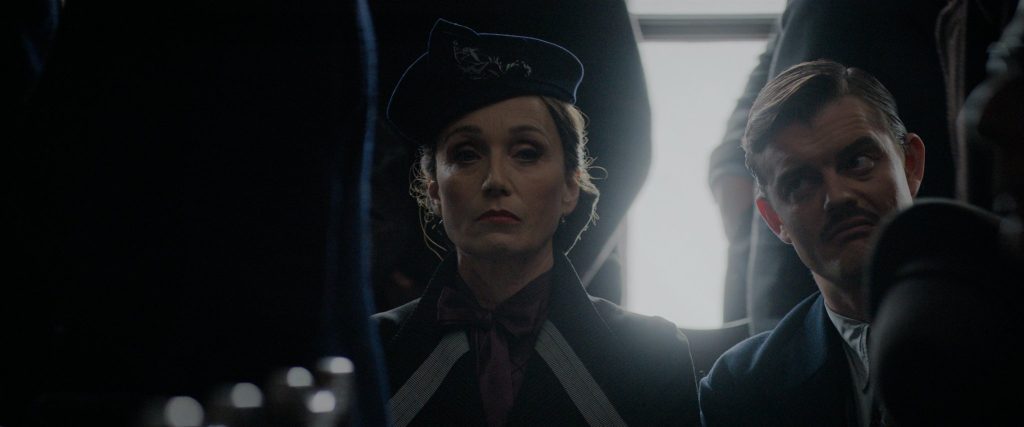
Luckily, not every performance is lackluster in this two-hour film. Playing the cold, unwelcoming housekeeper Mrs. Danvers, Kristin Scott Thomas takes the little she’s given and runs with it, delivering the only truly compelling performance in the film. From the moment her character is introduced, you can feel the coldness of her icy, uninviting stare. For the few scenes she’s given, Thomas completely dominates them, capturing our attention as she continuously and most threateningly reminds Mrs. De Winters that she will never live up to “[her] Rebecca.” The only time we really feel any sort of convincing emotion come from a character is when Danny — Rebecca’s nickname for Mrs. Danvers — speaks of her immense love and regard for the deceased Rebecca. Unfortunately, however, in her absence, scenes go straight back to being bland and emotionless.
Most of the film’s life and vibrancy comes in the form of its location and set design. Filmed on location in several areas of Europe, the colorful, scenic beaches and cliffs of Monte Carlo in the first half contrast the second half’s dull atmosphere. Arriving at Manderley, the film greets the audience with a large gothic home, and while the exterior appears the focal point, it is inside the Manderley home that everything really comes to life. With production design by Sarah Greenwood (“Pride and Prejudice (2006),” “Anna Karenina (2012),” “Sherlock Holmes (2009)”), we feel the same way Mrs. De Winters does when she walks in: full of awe. This feeling of awe is only exemplified when we dig deeper into the house, at one point stumbling upon Rebecca’s old bedroom. Beautifully silver and silky, it is a stark contrast to the rest of the house, the same way Rebecca herself stood out against everyone else.
What restricts Manderley from being its own character, the way it is supposed to be, is the film’s inability to build any kind of suspense or tension. Whether it be due to a score that does not fit the scene or stale dialogue, the attempts of “Rebecca” to build suspense fall short every time. Even seeming to shoot for horror occasionally, these moments are the most out of place and jarring of the adaptation.
Despite the seemingly scathing criticisms that fill this review, Wheatley’s “Rebecca” is not unbearable. Perhaps even worse than that however, it falls into the category of so forgettable, you’re unable to care enough in the first place to properly dislike it.
Hilary Gil is an Entertainment Intern for the fall 2020 quarter. She can be reached at hsgil@uci.edu.

Interested in becoming an intern or a contributing writer for the Entertainment section?
Contact us at entertainment@newuniversity.org!