



Netflix, now the most recognized streaming giant, has been endlessly releasing content of all themes and genres, making a quarantine-themed anthology seemingly inevitable. Netflix released “Social Distance,” an eight-episode anthology that chronicles our quarantined reality and attempts to find deeper meaning within our interpersonal struggles over the past months, on Oct. 15.
A product of this quarantine era, “Social Distance” never shies away from reminding us of our digital reliance: funerals and recovery group meetings are held over Zoom, wireless cameras monitor our family members and romantic partners rely on FaceTime to continue their relationships throughout physical distance.
Additionally, every location in the show is the exact place where the actors are spending their quarantine. The anthology was not filmed on a set, but in the very homes of the individuals telling these stories. Despite being separated, the cinematography does not fail. The show’s visual quality hits the mark, but its episodes garner a much more complex review.
Unlike most anthologies, “Social Distance” reminds us of dates. Its date tracker, memes and current social climate all serve to place us in early spring, back when the Facebook ant colony was all the rage. The first six episodes follow a familiar structure: individual or interpersonal conflicts get resolved by talking to others. A dysfunctional family is reminded of their dead patriarch’s love, and a couple sorts their live-in quarantine problems out once they finally sit down and talk. Though heartwarming and reassuring in the beginning, the show eventually runs stale.
The same questions are restated and rephrased. Are we using our disconnect buttons to let problems go undiscussed? Are we preoccupying ourselves with our work much more because we no longer feel the immediate need for companionship when we see one another, or are we simply that busy? As necessary as these questions are for us, the episodes eventually repeat in the same cyclical pattern as the show regurgitates the same lesson of prizing human relationships throughout the episodes.
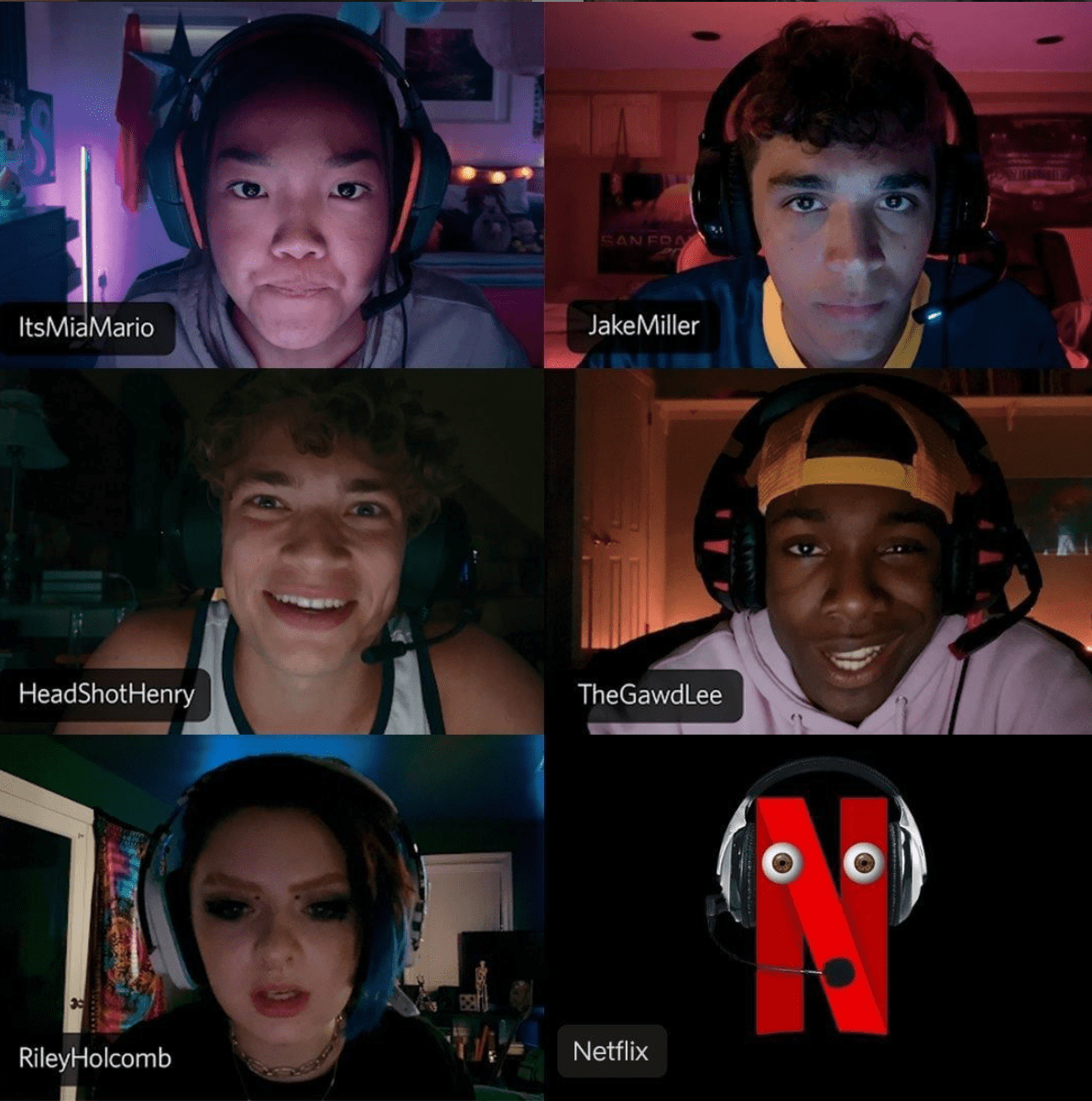
Fortunately, the anthology shifts from its comforting, feel-good structure by the seventh episode, “everything is v depressing rn,” which announces that the date is now May 27, 2020, two days after George Floyd’s death. The episode plays out as a love story between two teenage Overwatch players, lightly probing at teenage romance. Instead of ending the story happily with the couple together, they sever ties in a way that proves to be the most underwhelming of the anthology.
The title belies the emptiness to be found, as viewers find no reason to root for Mia (Kylie Liya Page), the protagonist, as she attempts to be with her crush, Jake (David Iacono). Whereas previous episodes involved higher and more personal stakes for characters that were all severely affected by quarantine, this episode obscures the pains of shyness and loneliness of a budding romance with forced, “gamer slang” dialogue.
Instead of focusing on the difficulties of quarantine romance, the episode uses the relationship to highlight discrimination against Asians and Chinese people in particular. Mia, who is Chinese, discovers that Jake posted racist coronavirus-related images on his private Instagram account, leading her to tearfully block him. The episode closes with Mia scrolling through Instagram as posts supporting BLM fill her feed, matching with the date and foreshadowing the next episode.
The episode only touches on racism, however, against Asians. Jake’s racist images represent the larger issue of discrimination, but the episode fails to make any meaningful commentary on racism against Black individuals, a subject brought to light in recent months with the BLM movement. Though the subversion of the feel-good structure of the past episodes was more than welcome, “everything is v depressing rn” fails to let the audience wallow in Mia’s disappointment regarding her crush’s racism and the death of George Floyd.
The next and final episode, “Pomp and Circumstance,” returns a visible, passionate conflict that explores the quarantine psyches of the first six episodes. As the title implies, the episode relates to the virtual 2020 graduations. However this time, viewers see them from the perspective of Corey (Asante Blackk), a young Black man working to set one up.
The date is May 30, 2020, and Corey wants to leave work early to attend a BLM protest, much to the frustration and dismay of John (Ayize Ma’at), Corey’s boss. Befitting a final episode, “Pomp and Circumstance” explodes passionately, as the two Black men argue over the necessity of protesting during a global pandemic.
Considering the show’s timeline of April and May and the importance of BLM in our current social climate, this episode was expected and its execution was welcomed. Corey vehemently argued for the necessity of protesting and demanding socio-political action against John, who argued that the way to fight the racist American institution was to secure Black footholds economically. Both viewpoints are representative of each man’s generation, emulating onscreen the ongoing conversations about BLM and how important the movement is.
The argument ends with Corey claiming that the struggle for civil rights is now his generation’s responsibility and that he must attend the protest and fight, highlighting the immediacy of demanding civil rights change and the importance of the BLM protests.
The episode leaves the viewers contemplating on how they feel about BLM, as well as their (hopefully) current active support for the movement. With the lack of coverage on protests and ongoing progress in the movement, the episode reminds the audience that BLM is not a trend and it is worth as much attention as other quarantine problems.
Netflix originals are truly a hit or miss, and “Social Distance” both hits and misses. Though it is great to be reminded of the warmth in the company of others, the constant reminder soon felt stale, as if six short stories drew out a message that could be told in one or two. When watching “Social Distance,” it’s obvious that viewers will get the most out of episodes that mirror some aspect of their life — it’s the empathy with the characters that drives any comfort to be gained from watching it.
Beatrice Malvar is an Entertainment Intern for the fall 2020 quarter. She can be reached at bmalvar@uci.edu.

Interested in becoming an intern or a contributing writer for the Entertainment section?
Contact us at entertainment@newuniversity.org!