


Editor’s note: The article was originally published on May 18, 2026. An editor’s note was added on July 10, 2026. An author title was added to this article on June 29, 2026.
College students are frequently encouraged to live in the moment, yet an increasing number fear the present will become the past. At UCI, students live through ongoing experiences as though they have already concluded. Scholars such as Krystine Irene Batcho and Simran Shikh refer to this as anticipatory nostalgia — a phenomenon in which individuals experience loss in advance by imagining the future. This pattern indicates a need for a targeted campus intervention: Pre-Nostalgia Counseling.
This crucial program addresses a temporal misalignment in student experience. Activities are being experienced through a future-oriented narrative. A late-night study session registers as a formative memory and minor inconveniences become anecdotes awaiting retrospective thought. This self-narration reflects a heightened reflexivity that, while academically admirable, introduces a degree of disengagement. Students remain physically present while cognitively occupied with the future.
Pre-Nostalgia Counseling would intervene by encouraging students to defer their nostalgia until after the event has ended. The program draws on existing research that suggests students with a stronger desire for social connection may be especially vulnerable to anticipatory nostalgia. This is particularly true when every experience now arrives prepackaged as future social media content, complete with captions about “missing this already” uploaded before the event has technically ended. Participants practice sustained attention in the moment without simultaneous evaluation of its long-term significance. Reflection would remain available as a practice, though its timing would be strategically adjusted.
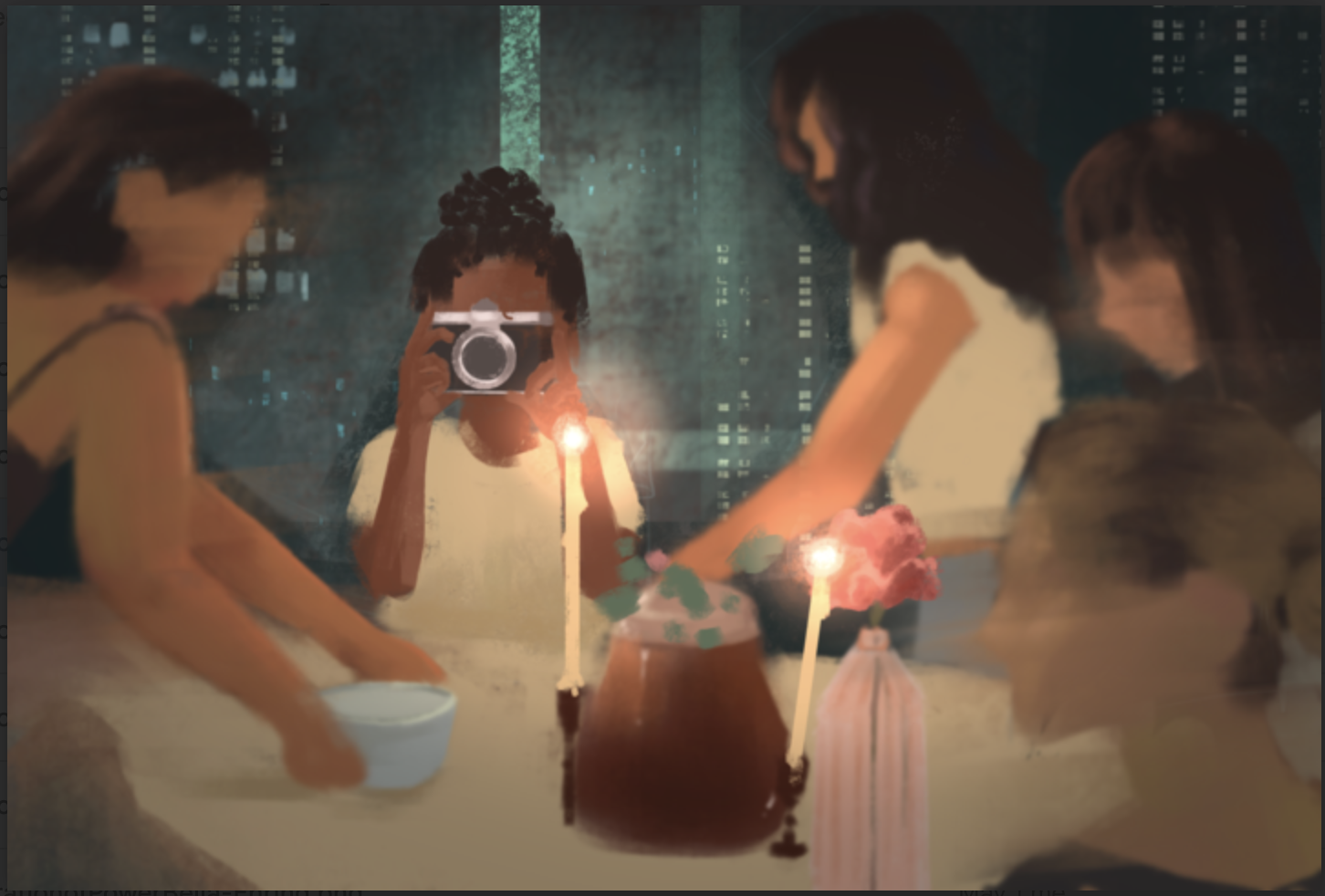
Participants may be asked to sit in Aldrich Park without documenting the moment or identifying its future meaning. Early projections may suggest that many students will initially wait for the experience to become meaningful, followed by concern when this does not occur on schedule. This response would be considered diagnostically useful.
Additional exercises include attending social gatherings without labeling them as memorable in real time. Facilitators would monitor for early indicators of anticipatory nostalgia, including statements such as “I’m going to miss this” or “we will look back on this,” which often emerge before any observable conclusion has taken place. Interventions would be minimal but timely.
The proposal does not interpret anticipatory nostalgia as an individual failing. The tendency aligns with institutional values that emphasize self-awareness and personal development. Its prevalence may therefore indicate a successful internalization of these priorities. At the same time, research indicates that anticipating loss can introduce sadness or anxiety that interferes with present engagement. Within this context, Pre-Nostalgia Counseling functions as an adjustment mechanism rather than a corrective measure.
Implementation may have logistical challenges. Some participants may report a sense of nostalgia for the counseling sessions while still attending them. They might occasionally express a desire to revisit the experience despite its ongoing status. These responses would not necessitate revision and instead may reinforce the program’s relevance.
The broader context of this proposal reflects a campus culture in which college is frequently described as the best years of one’s life. This encourages ongoing future retrospection, contributing to a form of temporal distancing in which the present is mediated through its anticipatory recollection. Pre-Nostalgia Counseling does not seek to eliminate this entirely. Its objective is more limited. It would create structured conditions in which experiences can occur without immediate conversion into memory.
With an academic environment that prioritizes efficiency, even that of reflection, the deliberate postponement of interpretation represents a subtle but significant shift. The program remains under consideration. Initial responses have reported a logistical challenge: most participants have requested a recording of their session in advance, citing a desire to revisit them later once they are over.
Jacqueline Lee is an Opinion Intern for the spring 2026 quarter. She can be reached at jacquhl3@uci.edu.
Edited by Riley Schnittger
Disclaimer: This article is a work of satire and parody.

