



Artificial intelligence (AI) has taken hold of the United States, and its growth is not stopping. According to Stanford University’s Human Centered Artificial Intelligence, investment in corporate AI was as high as 252.3 billion in 2024. This investment has led to rapid growth in data center construction. These centers require enormous amounts of water to cool their servers and operate properly. Google, Meta and Microsoft used a combined 580 billion gallons of water to cool and power data centers and AI servers in 2022. Food and Water Watch reports that this is “enough water to meet the annual needs of 15 million households.” This usage is not sustainable — the agriculture community is competing for water and everyday Americans are paying more for basic necessities while Big Tech continues to build.
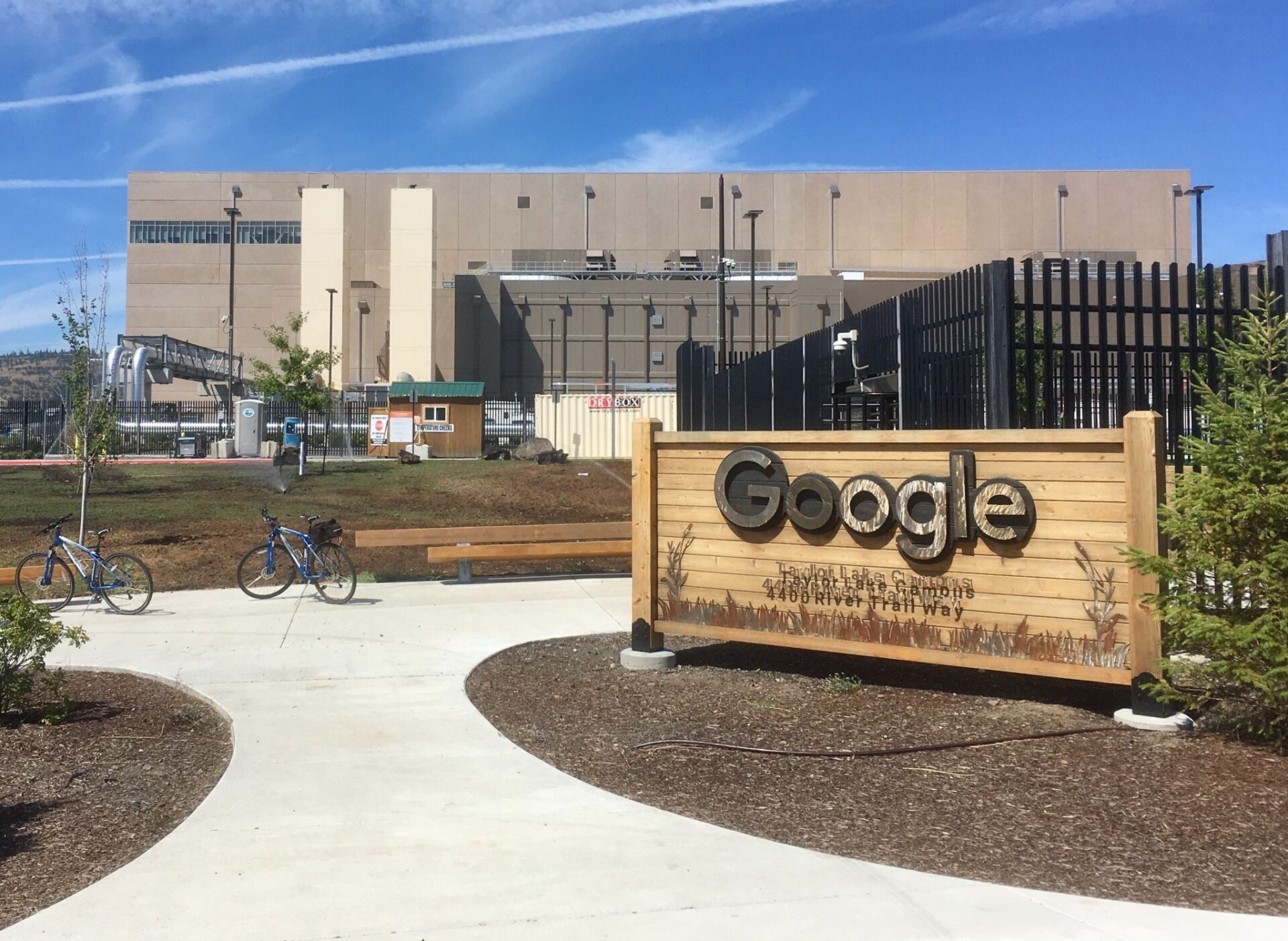
A Bloomberg article stated that more than 160 new data centers were built in areas with scarce water resources in 2025. When an investment firm buys farmland, they also acquire the land’s water rights. In drought-stricken states, this detail is crucial. In the Dalles region of Oregon, a notably dry area, Google’s data centers account for 25% of water use. In Arizona, data centers use massive amounts of water while farmers leave land unplanted, preventing the consumption of water that would otherwise be used for irrigation. Not only are farmers competing with drought, but they are also fighting Big Tech and its bottomless pockets.
Amazon agreed to pay $20.5 million to settle allegations that its data centers in Morrow County, Ore. contributed to nitrate pollution that contaminated groundwater in the region in March 2026. Amazon denies any wrongdoing, but critics allege that data centers in the region exacerbated the crisis. Where does this end? Polluted groundwater is net negative. No matter how beneficial this new technology is, Americans should never have to worry about drinking contaminated water.
Americans also suffer higher electricity costs for the sake of this new technology. Basic necessities will continue to rise as the needs of the few dictate the many. According to Bloomberg-analyzed data, electricity costs have risen 267% over the past five years in areas near significant data center activity. According to the World Resources Institute, “2025 saw over $60 billion worth” of electricity rate increases for Americans nationwide. The United States is the world’s preeminent power, yet prices for basic necessities continue to rise. The needs of the majority should take precedent over the needs of Big Tech. AI could prove to be the next revolutionary technology, but human beings should not suffer as it evolves.
Communities around the country are fighting back. Data Center Watch reports that over $64 billion worth of data center projects have been delayed or blocked by local authorities in the past two years. Statewide bans on data centers are being considered in nine states. In Maine, new legislation is expected to freeze the construction of any data centers that consume at least 20 megawatts of power. Using legislation to block new construction is the right way to approach this fight. AI has a place in society, but this current blitzkrieg of building is not sustainable in the long term. Communities are suffering and voices must be heard.
Unfortunately, some have resorted to violence in the fight against data centers. An Indianapolis city councilor who supported the construction of a new center in his district had 13 bullets fired at his home in April 2026. A note reading “No Data Centers” was left at the scene, and no one was physically harmed. Violence can never be the answer, but this is a blaring sign that communities feel that they are not being seen.
Society has reached a point where it must debate the needs of humans or AI in 2026. This is unacceptable. Water consumption will only rise as data centers continue their growth. Americans are struggling; water and electricity should not be a part of this struggle. AI is in the midst of its very own gold rush — where this goes remains to be seen. Big Tech is currently preoccupied with the notion of whether or not they can, instead of thinking about whether or not they should.
Sam Jenson is an Opinion Intern for the spring 2026 quarter. He can be reached at sjenson1@uci.edu.
Edited by Riley Schnittger

Interested in becoming an intern or a contributing writer for the Opinion section?
Contact us at opinion@newuniversity.org!