

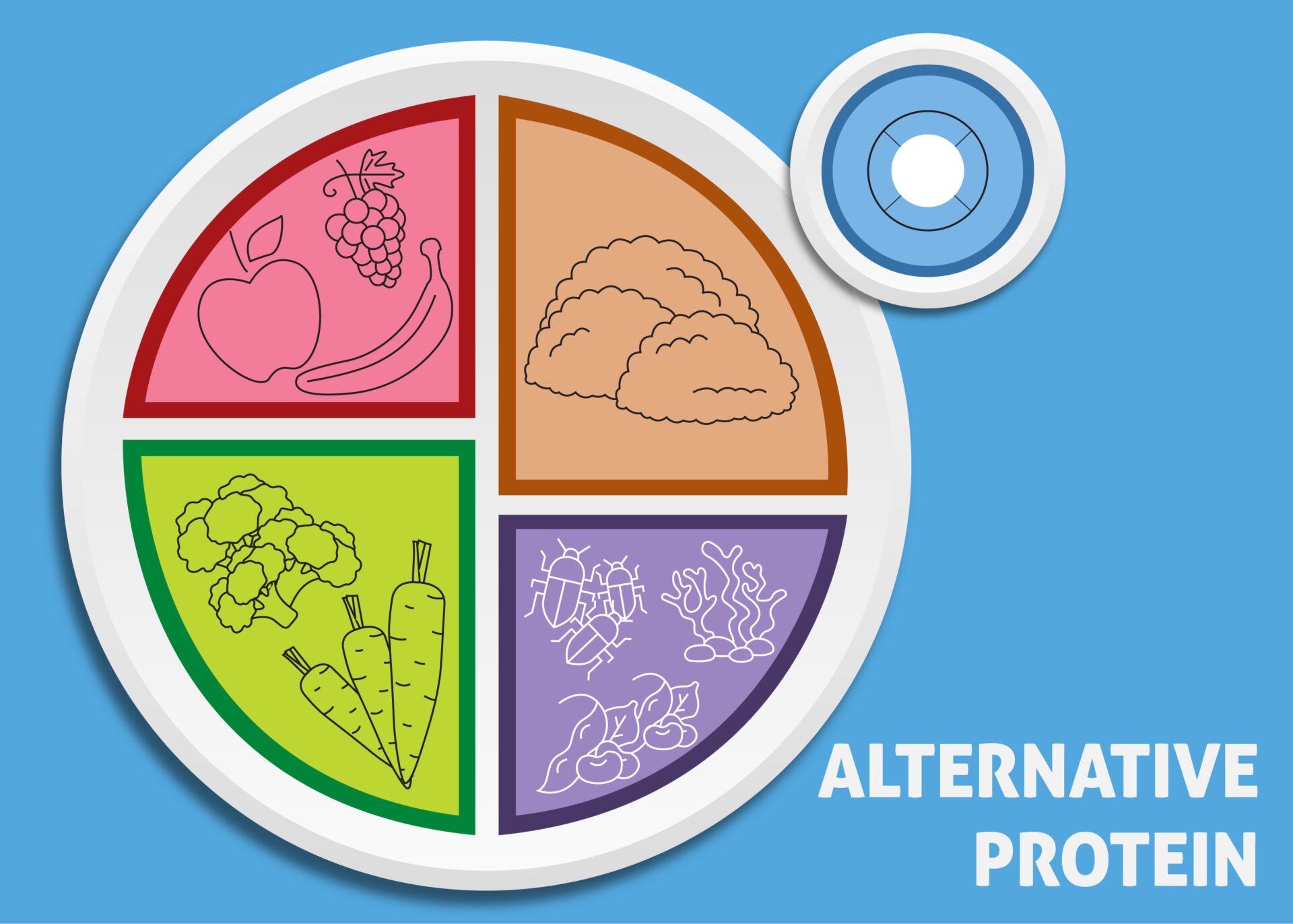

The Alternative Protein Project at UCI aims to provide information and a space for discussion about alternative proteins as a substitute for eating meat through events and biweekly meetings. This comes amid growing concerns about the reliance on animals and traditional agriculture to access protein sources — which places a strain on the environment, can have health implications and sustains animal cruelty.
The Alternative Protein Project is a student-led global initiative created by the Good Food Institute (GFI) to encourage college students to drive alternative protein development and education on their campuses.
The UCI chapter of the organization is in the process of becoming one of the 30 active groups in the U.S. and the 81 university chapters internationally. It became a registered campus organization during the winter 2024 quarter and are looking to apply for a second time to become an official chapter.
Meetings typically consist of an informational presentation by board members followed by group discussions where members share their thoughts on the topic discussed. Some meetings pair a presentation with a special event or activity.
Ellie Wang is a second-year biological sciences student and the club’s director of research and social events. Last year, she gave a presentation about fermentation, after which members got together to make a charcuterie board.
Fermentation is the process of using microorganisms to produce protein. Wang’s presentation explained how it is used to turn milk into cheese, which involves bacteria breaking down the milk’s lactose to produce lactic acid. In addition to fermentation-derived alternative proteins, there are also plant-based and lab-grown proteins.
By providing this kind of information, the club hopes to deconstruct the stigma surrounding alternative proteins. They believe that it is derived from mistrust and stereotypes surrounding veganism and those who practice it.
“I feel like that’s something that turns a lot of people away from this sort of sector, is that sort of stereotype of vegans always telling you that they’re vegans and then they want you to be vegan,” Wang told New University. “Sometimes it can come off as if you feel morally superior if the person talking is vegetarian or vegan. But what we’re trying to do is just educate people from a neutral standpoint.”
This is something the club’s board — none of which are vegan — makes sure to tell new members.
Another thing that might inspire distrust toward alternative proteins is the fact that they are not yet Food and Drug Administration (FDA) approved.
“If people don’t understand lab-grown meat and the ins and outs of it, it does sound really daunting,” Wang said. “It sounds like something that you maybe don’t want to put in your body, but we’re just trying to tell people about it … [and] to help people understand it so that they’re not scared of it.”
In any case, the club seeks to simultaneously foster a community of students interested in the field and inform them of what they can do to advance it.
Wang’s interest in the topic can be traced back to her Buddhist upbringing. Although she is not religious, she carries with her the traditions of vegetarianism and environmental sustainability.
“That’s kind of where I feel like my values have been shaped over my life. So like right now I try while I’m down here and I control my food intake at least, I don’t really consume that much red meat. That’s a decision that I choose to make, you know, hopefully make some sort of impact,” said Wang.
Wang was first introduced to alternative proteins when she researched 3D bioprinting in high school, where she learned about its use in producing lab-grown proteins. During her first year in college, she connected with Ian Smith — a professor of neurobiology and behavior at UCI who is now the club’s advisor — who then connected her to the other board members she now works with.
The club’s primary goal at the moment is to grow in number and increase its visibility. Wang mentioned a few ambitions the board members have brought up among one another, like creating an academic program relating to nutrition science.
“Something in the past that we have talked about is creating some sort of alt protein minor. That’s been put on the back burner of course, because that’s a really, really big step,” she said.
According to Wang, Smith is the only UCI professor researching alternative protein development. In 2022, GFI awarded Smith approximately $100,000 toward his efforts to increase the production of cell lines that can be used by researchers to produce lab-cultivated proteins.
The development of alternative proteins does not rely strictly on research concerning their development and production, but benefits also from research done in a variety of areas. This is why Wang, along with the other board members, encourage those in their club to get involved in campus research and tell them of their own experiences.
“I think it’s kind of difficult to do some sort of research project together, which is why we’re just kind of taking this alternative route where it’s encouraging individual members to go and seek out what is interesting to them … because UCI is such a research-heavy campus that it’s kind of a shame. You know, we have a lot of really great resources,” Wang said.
Mariam Farag is a Features Intern for the fall 2024 quarter. She can be reached at msfarag@uci.edu.

