


Editor’s Note: This article contains spoilers for “The Ballad of Falling Dragons.”
In a world where dragons roam the skies and gods sing to gifted fae, New York Times bestselling author Sarah A. Parker released “The Ballad of Falling Dragons,” the second installment in “The Moonfall Series,” on May 19.
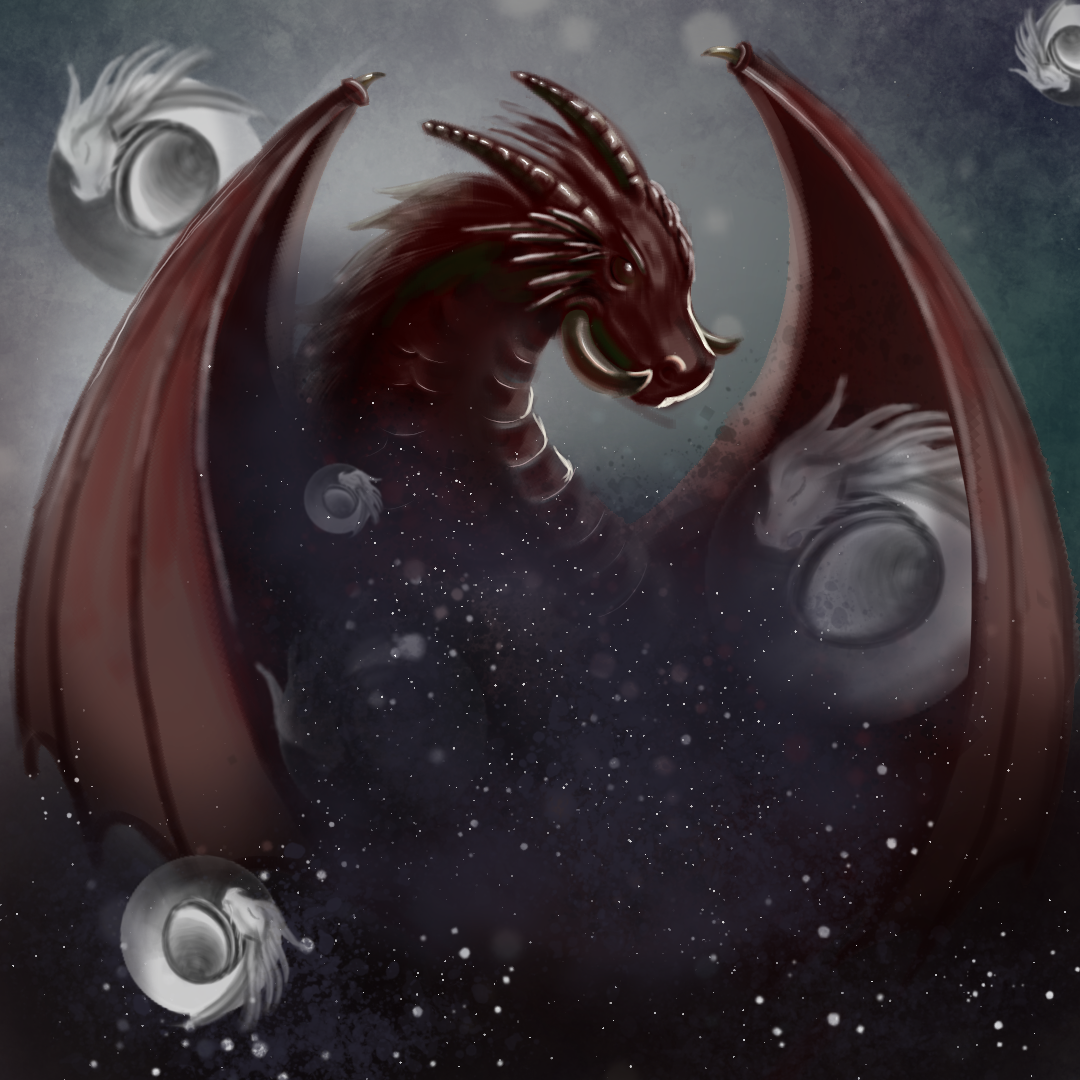
After the cliffhanger from the first novel, “The Ballad of Falling Dragons” pushes readers right back into this magical world, as Raeve — a troubled fae with a murky past — chases vengeance against the infamous bounty hunter Rekk Zharos, putting her a world apart from her love for Kaan, the Burn King. As Kaan and later Raeve learn of the coming moonfalls — a prophesied event where dragon moons fall from the sky like meteors — the two must come together with their friends to protect Kaan’s kingdom. All the while, Raeve attempts to come to terms with her double past and mysterious split personality, The Other.
“The Ballad of Falling Dragons” is a refreshing fantasy read, with incredibly rich worldbuilding and storytelling. Unlike many other fantasy or romance-fantasy (romantasy) series, both the first and second books of “The Moonfall Series” take the time to explain the details of its world, magic system, history and so much more. It can be difficult to remember all of the world’s workings, but the sheer amount of expositive information is what makes the series stand out. There is a good amount of romance and smut, as well — after all, it’s still a romantasy book. However, there seems to be more focus on the world and the characters, especially within this second book.
In the BookTok world of toxic, unrealistic couples, Raeve and Kaan stand out among them. Through a long and complicated history, their relationship is intriguing and proves that no matter what, love perseveres despite time and memory loss. In this book, their love is softer, more domestic and less focused on the smut. They constantly fight to keep each other safe and out of harm’s way, expanding the depth of their relationship as Raeve gains more memories from her past.
Soft romance and the world’s impending doom take charge in this book, with a wide range of character perspectives and a strong buildup to the end reveal. But like many books that are leading up to a prophesied event, there are many instances where the story stalls. There is both too little and too much movement, as the book establishes a timeline early on. Within this timeline, the characters race around for 540 pages, moving from one point to another to create a sense of urgency, but also prolonging certain moments — making it feel like more time passed than actually did.
The book starts slowly, building up to when Raeve and Kaan see each other for the first time since Raeve left to chase her revenge. Within 70 pages, the two are reunited in a life-or-death circumstance like no time had passed. There isn’t any significant buildup, making the reunion feel short-lived and dull. It would have been nice to slightly delay the reunion and further draw the reader in, making it more significant. With how quickly the story starts from where things left off in the previous novel, it makes sense that the reunion happens early on. However, it still would’ve been nice to have the reunion later in the story to create more anticipation and tension between the two characters.
A very prominent theme in this book is the sense of loss and motherhood. Given the secret revealed at the end of the book about Raeve’s first life, it only makes sense for this to be a main topic. Raeve’s first life was as the Shade princess Elluin Neván, whose family was killed by enemies who wished to take her kingdom. She fell in love with Kaan, even when she was betrothed to marry his brother, and was gravely injured while giving birth to her daughter, before being taken up to the sky by her dragon Slátra, who became one of the many dragon moons.
Moreover, much of the book’s emotional depth came from female fae and dragons navigating the loss of children, hatchlings and mates.
Many of the main female dragons in this novel face the loss of loved ones and how they grapple with their lives after those deaths. Specifically, these great dragons are considered fearsome because they are without a mate. This concept is interesting, exploring how these female characters are feared when, in reality, they are lost, mourning and harmless. There is strength in this vulnerability, and the push these characters have to continue living despite all they have gone through is beautiful, presenting a powerful message about living for those who have died.
“The Ballad of Falling Dragons” nicely balances worldbuilding and romance, keeping audiences reading into all hours of the night. While the overall pacing is a little off, the book ties up loose ends nicely, leaving a satisfying ending with a tiny cliffhanger to keep “The Moonfall Series” moving forward.
Jocelyn Cosgrove is an Arts & Entertainment Apprentice for the spring 2026 quarter. She can be reached at jmcosgro@uci.edu.
Edited by Travis Foley and Riley Schnittger

