



Editor’s note: The article was originally published on May 9, 2026. An editor’s note was added July 10, 2026. An author title was added to this article on June 29, 2026.
In the age of instant gratification and curated self-presentation, detachment has become something of a virtue. There is endless advice on social media about how to be “unbothered,” how to “protect your peace” and how to avoid anything that may disrupt your emotional equilibrium.
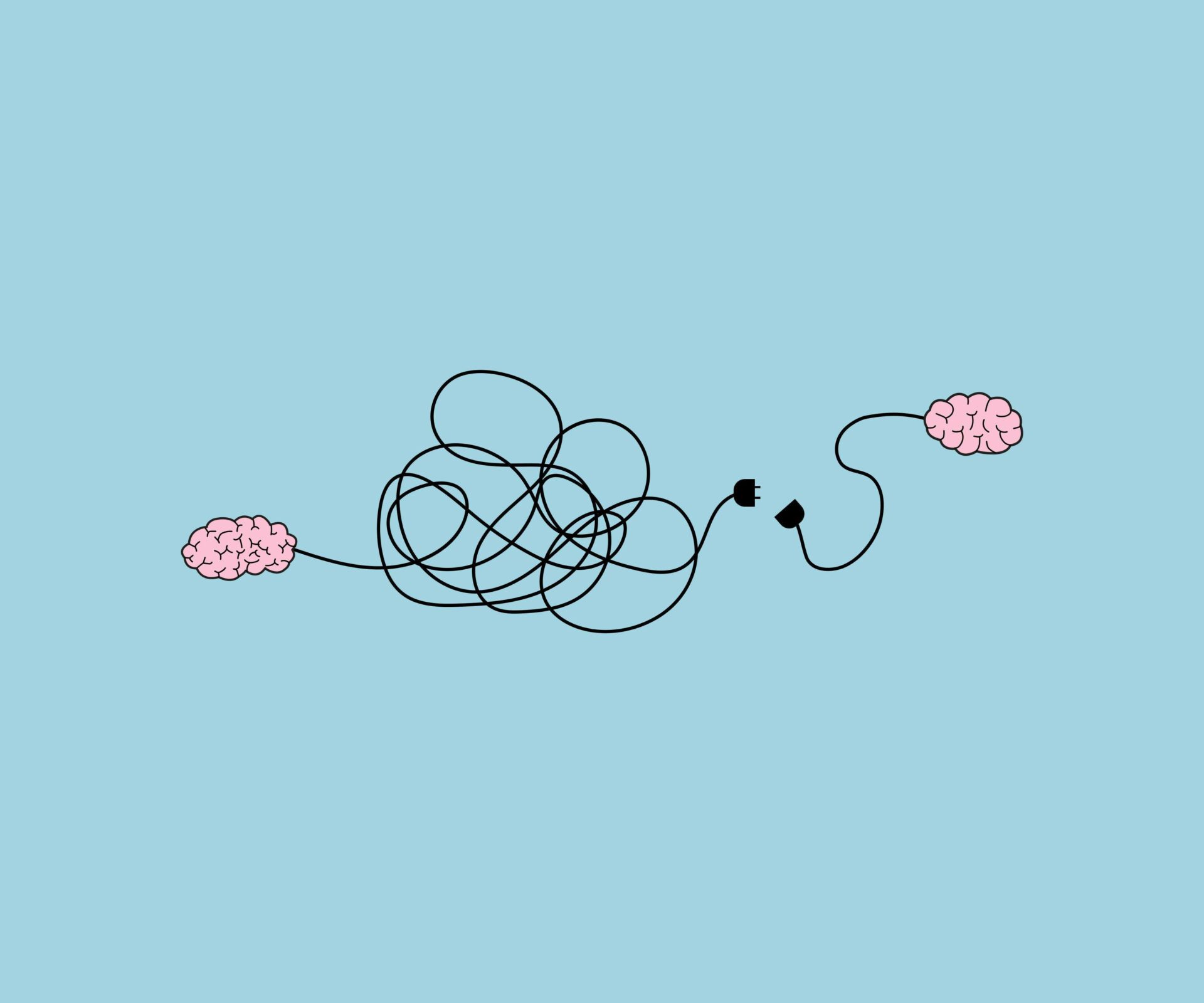
On the surface, this seems to be healthy. After all, who wouldn’t want to minimize stress and preserve their well-being? However, beneath this online rhetoric lies a quieter and more troubling phenomenon: the glorification of emotional numbness.
Social media has created a dopamine economy where every like, message and swipe gives users a quick hit of validation. This attention reduction conditions people to keep seeking immediate rewards while avoiding discomfort. In this environment, already unpleasant emotions such as grief and vulnerability become easier to avoid, as social media encourages short-term distraction over the slower and more difficult process of emotional healing.
Instead of sitting with these complex feelings, people are encouraged to detach and move on quickly, often turning to immediate distractions instead of deeper reflection. Over time, this fosters a kind of emotional minimalism where feelings are flattened and empathy is dulled. While this can make difficult emotions easier to avoid in the moment, it ultimately limits growth and resilience, making it harder to engage meaningfully with both one’s own experiences and those of others.
But when distraction is always within reach, many begin to question why they should endure discomfort at all. On platforms like TikTok and Instagram, phrases like “protecting your peace” circulate widely, usually taken out of context from therapeutic frameworks. While these ideas can be valuable in certain situations, they are frequently applied broadly to justify avoiding any form of emotional strain.
Although boundaries are essential, the concept has been stretched to justify avoidance. Difficult conversations, emotional risks and even meaningful relationships can be dismissed as threats to one’s peace. In trying to guard itself against harm, humanity may also be hiding from deeper connection — quietly morphing its shield into an instrument of self-isolation.
The line between detachment and numbness is thin. In its healthiest form, detachment is about perspective. It is the ability to separate our feelings from painful situations, and to step back and regulate our reactions. But this type of reflection requires a personal stillness that has gradually become rarer. Productive detachment asks us to confront uncomfortable truths about ourselves and others — to linger in uncertainty without the promise of quick resolution.
When taken to the extreme, detachment can resemble rationality. Numbness is often mistaken for control — an ability to remain unbothered and, therefore, logical. Distancing oneself from difficult feelings can feel like maturity or even wisdom. But this kind of disengagement is not true clarity, as it narrows the experiences of depth and vulnerability that make life worth living.
True emotional intelligence, by contrast, does not come from avoiding discomfort but from engaging with it thoughtfully. It requires the ability to process and make sense of these difficult emotions without being consumed by them. Rather than shutting down, it means staying present and allowing vulnerability and empathy to shape how we understand ourselves and others.
This false narrative of nonchalance being the same as emotional intelligence cultivates a harmful rhetoric, especially for those who already have trouble sitting with and expressing their emotions. However, true emotional intelligence is not about being immune to emotional turbulence, but about presence — the power to fully experience emotions without being controlled by them.
To feel is to be exposed. It is to risk disappointment, rejection and loss. But to feel is also to open oneself to joy, growth and especially connection. Emotional intelligence does not ask us to avoid this spectrum but to engage with it honestly. In contrast, the cultural emphasis on detachment can be deceptive, presenting itself as self-awareness while actually sidestepping the difficult emotional work that builds maturity and empathy.
Perhaps the real challenge is not learning how to be unbothered but how to be bothered in a constructive manner: to care without collapsing, to feel without being consumed and to remain open in a world that constantly pushes us to shut down. In reclaiming our capacity for introspection and emotional presence, we resist the drift toward numbness and rediscover what it means to be fully human.
Deanza Andriansyah is an Opinion Staff Writer. She can be reached at dandrian@uci.edu.
Edited by Ruby Goodwin and Zara Baker.

Deanza is majoring in Sociology and International Studies at the University of California, Irvine. She is an opinion writer for New University and enjoys writing about social phenomena, politics and feminism.