

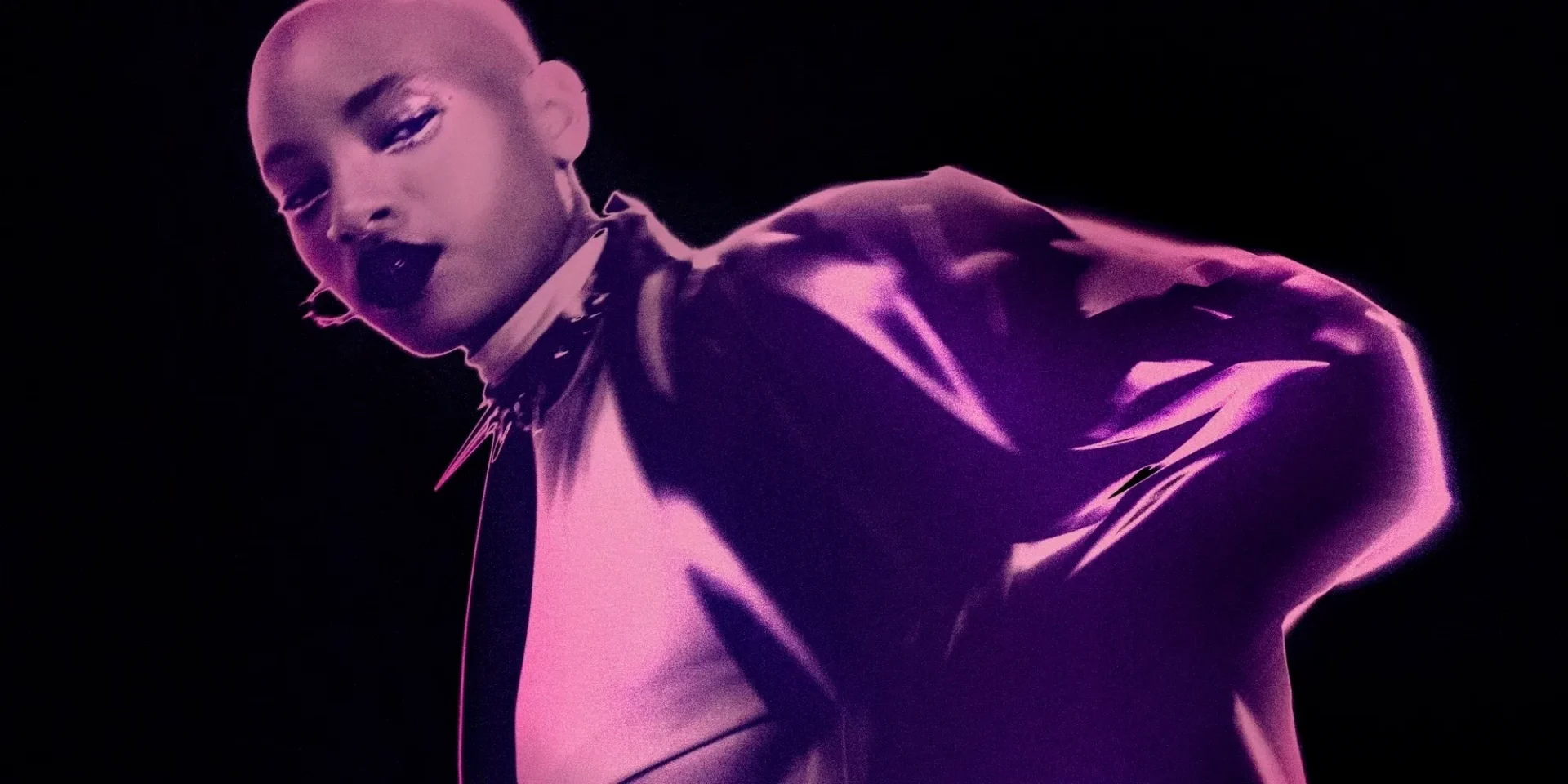


Released on Oct. 7, Willow’s new album “Coping Mechanism,” stylized as “<COPINGMECHANISM>” leans even further into the punk sound that she began to explore in 2021’s “lately I feel EVERYTHING.”
Willow uses an old medium — the Y2K pop-punk sound immortalized in the works of Avril Lavigne — as a vessel to represent the angst of average Gen Z teenagers in “<COPINGMECHANISM>” and hardens every part of her music to express the nuanced emotions that come with failed relationships.

The album is tense from the very start, with the opening instrumental of “<maybe> it’s my fault” gliding upwards into discordant chords. The pre-chorus and chorus seem to mimic Willow’s unfolding emotions, as she almost wails, “I don’t know / If I can forgive her” in the discordant pre-chorus. However, by the chorus, a more rational side seems to take over and she chants, “It’s all in my mind, it’s all in my mind, I try to rewind / And all of the while, I’m hurting inside / It’s your fault / Maybe it’s my fault.” This song introduces the emotional complexities Willow expresses in “<COPINGMECHANISM>,” although her first instinct is to blame her partner in the heat of emotion, she later wonders if she is the one to blame instead.
The second track, “Falling Endlessly” is an imaginary confrontation with one’s partner, where both parties say all of the things in the theater of their minds. The instruments drop out in the pre-chorus besides bursts of guitar notes as Willow asks, “Who do you think’s more insane? You or I?” The chorus, in contrast, sounds like something a Disney Channel Original protagonist might sing in a getting ready montage — its pleasing chords tinged with nostalgia for better times.
Willow then follows with “curious/furious” a meditative track on battling internal conflict. It parallels Paramore’s 2006 track “Fences” in its imagery of smiling in the face of distress. But, while Hayley Williams declares that one should “[O]pen wide, ‘cause this is your night / So smile, ‘cause you’ll go out in style,” Willow opts for a more positive note as she sings, “Never wear a frown / Because life doesn’t choose either side / Win or lose, right or wrong / It’s a battle that’s all in your mind / You better open wide.”
The next track simply titled “WHY?” is pure catharsis, with Willow following the emotional build of the song with her voice. It’s a rambling stream of consciousness, lamenting the overthinking that comes with too much time spent in isolation.
“<Coping Mechanism>” also uses this stream of consciousness format, as Willow reflects on the self-doubt that accompanies a break-up, declaring, “I’ve wasted so much time hating myself for trying / Accepting that this fate is our demise, hating myself for lying.”
“Split” feels like coming down from the haze of rage. It begins calm, then evolves into a regretful reflection on not doing enough. Willow sings, “I’m always acting tough / Close my heart and now I starve the love / And no, I never wanted / I never wanted this for us” over guitars and drums that feel as if they’re fighting themselves.
Willow seems to enter a different stage of grief in the upbeat “hover like a GODDESS,” as she fantasizes about how things were before her relationship fell apart, singing, “I’ll never be mine if you won’t be fine.”
This is followed by the eerie “ur a <stranger>” where Willow’s calm, floating harmonies crooning “The least you could do is find someone else” are broken up by screamo verses — pure anger cutting through her voice.
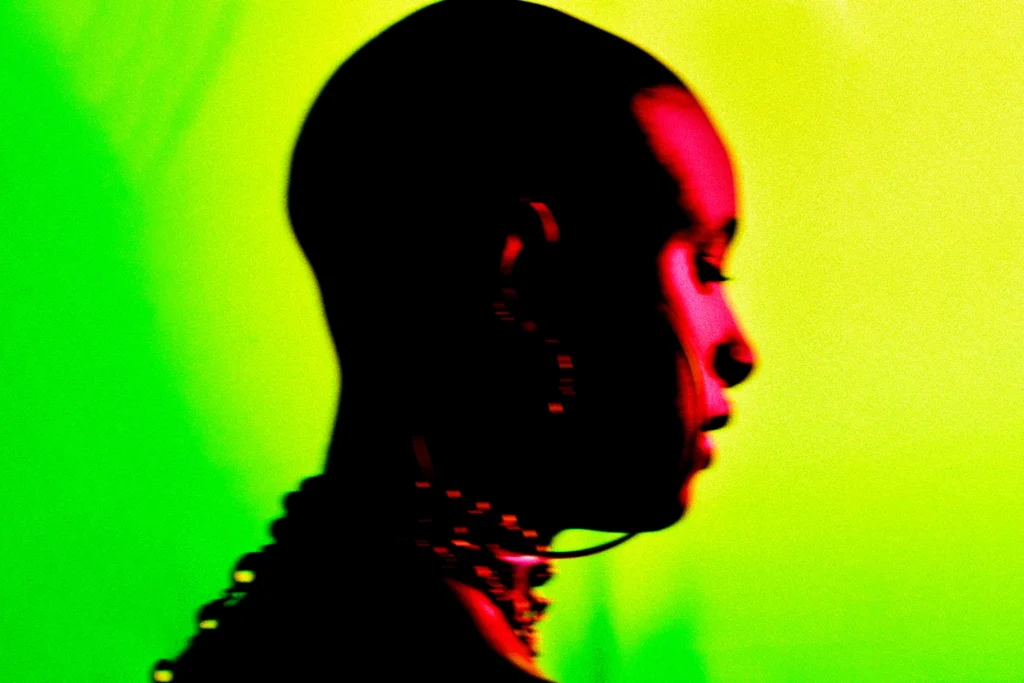
“ur a <stranger>” is connected to the next track, “Perfectly Not Close To Me” in its screamo verses, but this time the calmer part of the song is filled by the serene voice of Yves Tumor as they monologue, “Pass the time, stream all the victims / Fond caresses / Pathetic beggars, an awful pressure inside / Incurable souls clear away the mist in my sight.” The enigmatic nature of their lyrics stands in stark contrast with Willow’s straightforward screaming, “I don’t wanna, I don’t wanna talk s**t / But I’m so f***ked up just like this.”
The penultimate track “No Control” is the calmest on the album, as Willow seems to confront herself throughout it. In the verses, she discusses the things that she did wrong, the actions that she misinterpreted and the times she misspoke. Although much of it is self-critical, it still has its vulnerable and angry moments as Willow growls, “But now it’s just too much to love that way / I’ll bear the pain of all the moments gone / Where you tried to save me.”
The final track, “BATSH*T!” is perhaps the perfect follow-up to this, as the instruments seem to be in careless anarchy from the very beginning. Unpredictable in its waxing and waning emotion, “BATSH*T!” leans fully into the female rage that’s grown popular in the past two years, with Willow stating, “If I were you, I would watch out / Whatever you do, it better be true, I’m coming for you.”
Among the dozens of nepotism babies in the entertainment industry, Willow — the daughter of actor Will Smith and actress Jada Pinkett Smith — is one of the few making her success her own. In the post-TikTok world, “<COPINGMECHANISM>” feels like a true album, with each track building off of the next and intended to be experienced completely, rather than as catchy 30 second clips. The cohesiveness of the album results in a lack of standout tracks, but it does mimic the album’s theme as a single work with a multitude of complexities.
Willow is a pioneer in many ways, as she uses pop punk — a genre historically dominated by toxic masculinity — to express a uniquely feminine rage, one that is intense and angry but also tinged with self-doubt. She does not allow genre to define her, playing with a variety of sounds within each track.
Willow also does not allow prescriptive rules of language to define her, titling songs with inconsistent capitalization, incorrect grammar and random angle brackets to emphasize certain words. In its refusal to be defined, “<COPINGMECHANISM>” is the perfect soundtrack to express the angst of the Gen Z teenager.
Teresa Pham is an Entertainment Intern for the fall 2022 quarter. She can be reached at teresaap@uci.edu.

Interested in becoming an intern or a contributing writer for the Entertainment section?
Contact us at entertainment@newuniversity.org!