




“Ginny & Georgia,” the latest run-of-the-mill, feigned effort at Gen Z relatability that is all fluff, no stuff, currently sits at No. 1 on “The Top 10 Most Popular TV Shows on Netflix Right Now” as ranked by Collider. The Netflix original largely fails to redeem itself for the overwhelming amount of media attention it has received upon its release on Feb. 24
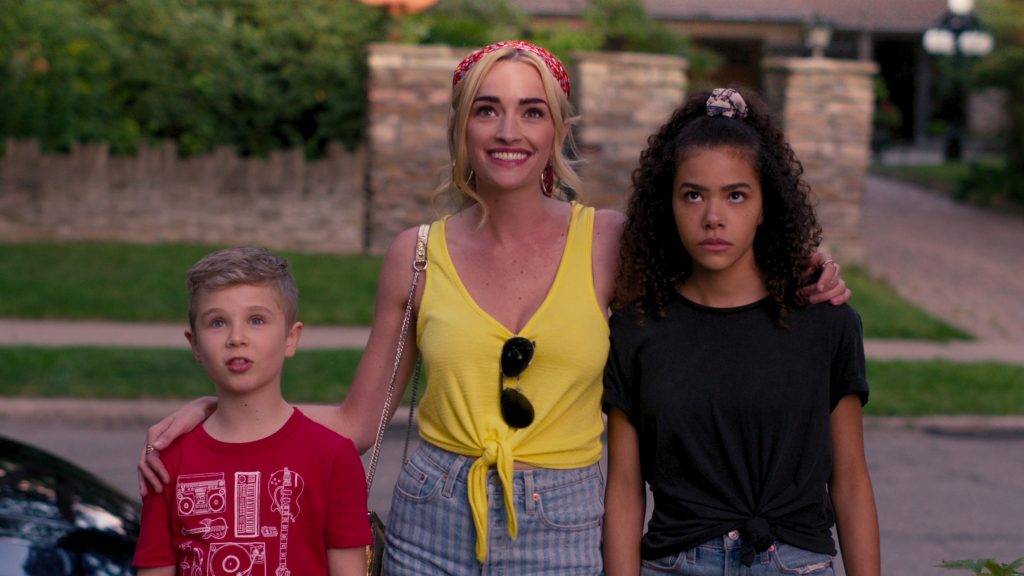
Ginny Miller (Antonia Gentry) and Georgia Miller (Brianne Howey) are the titular mom-and-daughter duo who have struggled to settle down, having bounced from place to place their entire lives. After the sudden death of Georgia’s husband, Kenny Drexel (Darryl Scheelar), Ginny, Georgia and Austin (Diesel La Torraca), Georgia’s son and Ginny’s younger half brother, at last settle down in the picture-perfect fictional town of Wellsbury, Mass.
Told through Ginny and Georgia’s voice-overs and back-and-forth insights about the others’ lives, the Millers come to reconcile with school bullies, an unpredictable, casually racist group of friends and a laundry list of bad memories, love interests and not-so-petty crimes.
Recently, the show has been at the forefront of social media and has been called out for its woefully inadequate handlings of racism, representation and microaggressions. When there do happen to be undercurrents or outbursts of racist behavior, they exist less as points for potential insight and conversation and more as collateral damage for the select few actors of color, including Gentry herself.
Additionally, the show and Netflix were called out by none other than singer Taylor Swift, who responded to the show’s low-brow, supposed “deeply sexist” joke with a tweet on March 1:
The tweet prompted hordes of Swift fans to rise to her defense, while other viewers of the show simply see it for what it is: a dumb accusation against a dumb Netflix show.
As if it couldn’t get worse, the internet is currently side-eyeing “Ginny & Georgia” for its infamous “Oppression Olympics” scene –– arguably one of the most cringe-worthy moments of the Netflix show. The scene went viral and subsequently received criticism for its plagued attempt at recognizing racial stereotypes and “white-passing” privilege.
While a bulk of the show is largely driven by excessively try-hard, contrived exchanges between Ginny, Georgia and other recurring characters, there are moments of clarity, lines that resonate and points where perhaps there is some deeper meaning, heart and soul in the lives of these conventionally attractive characters. However, just when a scene starts to tug at the heartstrings, as it tends to do, a vapid one-liner saves viewers from shedding too quick a tear. Often they are clichés that make you want to roll your eyes or abandon Netflix in a flash of frustration.
There are also scenes in “Ginny & Georgia” that look like living, breathing Target commercials. Perhaps Ginny broke the fourth wall when she entered her classroom and scoffed, “I’m living in a Crest commercial.” The show is stuffed with random slices of music and quirky montages, reminding viewers that they don’t take their own show seriously, and neither should you.
It’s only halfway through the show where the plot thickens, the acting intensifies and the writing gets kind of … good. However, viewers must get through the first few episodes to get a taste of what lends “Ginny & Georgia” the hype, often allowing less-than-ideal scenes or character quips to slide for the greater good of enjoying the show. While first impressions of the show may begin to drift, soon swapped for an optimistic reading of the show at large, hopes are inevitably crushed as the realities of the real world fail to set in. This is often the case with Ginny’s unresolved racist interactions or Georgia’s constant run from the law.
Arguably the most captivating and realistic aspect of the show is Maxine (Sara Waisglass) and Marcus Baker’s (Felix Mallard) hard-of-hearing father, Clint (Chris Kenopic), and, by extension, their signing family. It isn’t the subject of confusion or criticism –– it simply is what it is. However, with dialogue that’s written where each turn of phrase is as predictable and pretentious as the last, and bits and pieces of passing conversations that leave audiences in a whirl of cringe, it’s best to keep expectations low –– for disappointments run high.
The Netflix dramedy is something of a mixed bag: some bits are sweet and playful while other bits are dark and desolate, and all parts are overhyped. Seemingly out-of-touch with today’s teens and young adults, clicking “play” on each consecutive episode of “Ginny & Georgia” is a gambled, hit-or-miss decision. The plot twists and on-point acting performances simply fail to outweigh the passé, overbearingly pandered scriptwriting with quotes that read like Instagram captions, tweets or the occasionally questionable Forever 21 graphic tee. Watching “Ginny & Georgia” is like a box of chocolates –– you never know what you’re going to get.
Mia Hammett is an Entertainment Intern for the winter 2021 quarter. She can be reached at hammettm@uci.edu.

Interested in becoming an intern or a contributing writer for the Entertainment section?
Contact us at entertainment@newuniversity.org!