

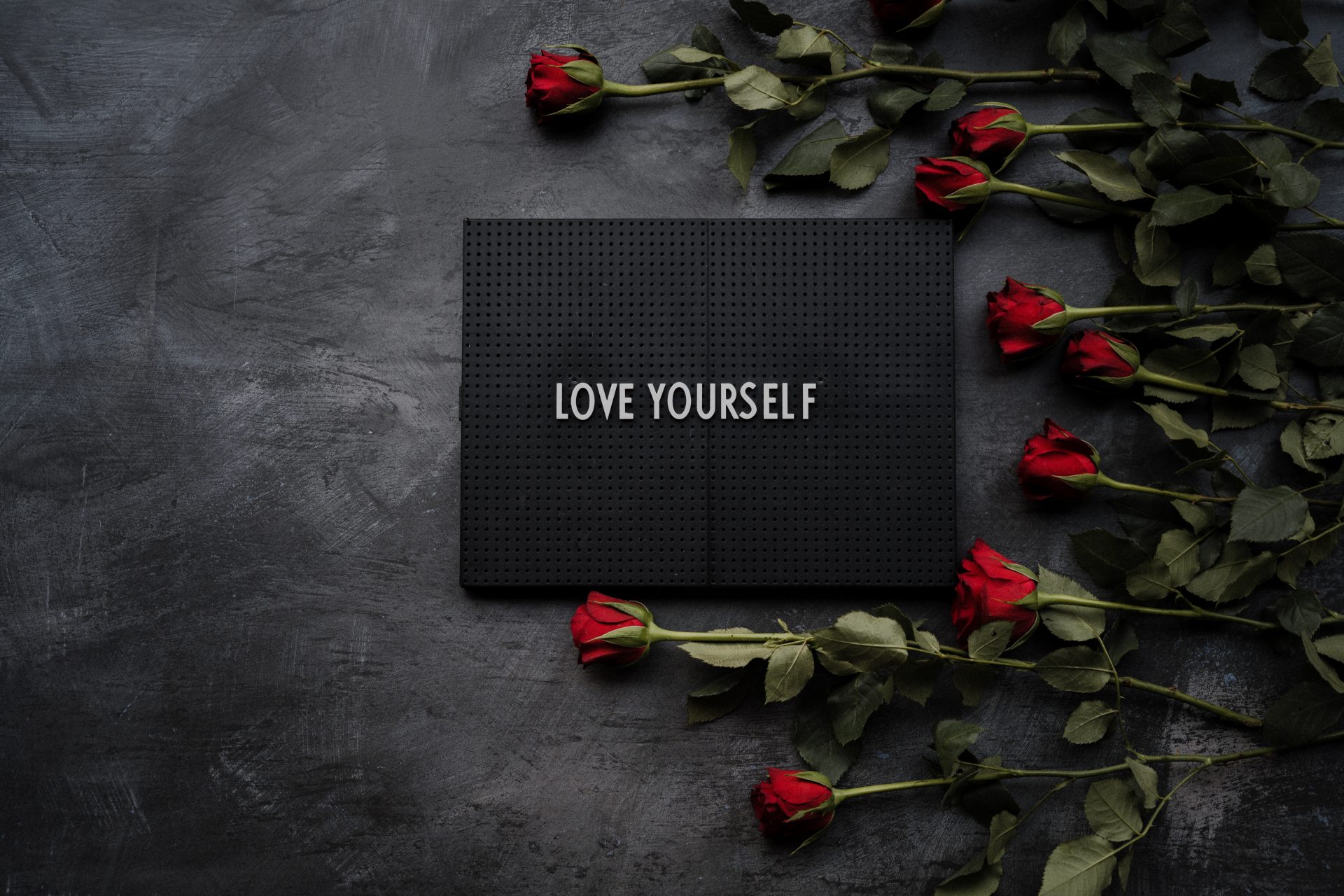


The first thing on anyone’s mind when preparing for an interview or getting ready for a first date is how they’ll look. Whether you get the job or the relationship, you have to fit into your life role. Tall or short, thin or thick — we put so much pressure on our appearance that we forget to appreciate our bodies’ natural form. You have the power to be satisfied with yourself. Societally, I believe we need to stop categorizing beauty, and create higher individual self esteem. Therefore, the body positivity movement is essential in creating a community of people who have the confidence to reach their goals.
Beauty insecurities create a helplessness where people turn to magazines and diet plans instead of toward one another for support. According to the National Association of Anorexia Nervosa and Associated Disorders about 28.8 million people, or 9% of the population, in the U.S. develop an eating disorder in their lifetime. Many people with eating disorders are influenced by how they think they should look to meet the standards of their extracurricular activities and media icons. The body positivity movement came about to reassert power to the people and help treat self-esteem issues linked to eating disorders.
UCI psychology student Miranda Goldstein opened up about how body positivity has positively impacted her own life by giving back the confidence that dance lessons and model Instagram accounts had taken away from her.
“The ballet world expected me to look a certain way, but I’ve always been genetically curvy. There’s that expectation to look skinny, so that was difficult, but that’s why I want to bring awareness that that shouldn’t be the most accepted body type because it doesn’t change what you’re capable of,” Goldstein said.
USC alum and famous YouTuber Victoria Garrick has talked about what it was like to feel like a team player on her volleyball team during practice while also feeling alone in her mental health journey. As someone who formerly photoshopped most her photos, she spreads positivity by being all natural and making videos of the foods she eats. Using a body positive strategy called intuitive eating, Garrick eats whenever she feels hungry by eating slowly and checking in with her body to see when she feels satisfied. She gives in to her stomach’s cravings as opposed to stress eating or boredom eating later on.
Garrick, who recovered from binge eating disorder, has used her platform to encourage others that they can get through their own personal eating struggles. She did a podcast with Vogue model Emily DiDonato, who is someone her younger self aspired to be. DiDonato opened up about her own body dysmorphia and how meeting her ideal weight wasn’t as fulfilling as it is made out to be.
It’s always nice to see people in the spotlight spread body positivity to reverse Hollywood’s heinous history of enforcing prejudice against plus-sized people. Celebrities like Jonah Hill, Melissa McCarthy and Rebel Wilson are talented actors and actresses who are cast as the funny character for their societally considered funny-looking appearance. It’s not like James Bond would have flabs instead of abs or Cinderella would need a bigger dress because Hollywood has deemed that such representations wouldn’t be desirable. Parochial producers create stereotypes that narrowly fit people into a prescribed worldview that isn’t based on reality.
Speaking of reality, reality shows are even worse. Shows like “The Bachelor,” “The Bachelorette” and “Love Island” create this image of who a person must be to find love and fame based on societally approved casting choices. It’s unhealthy to idolize an unattainable body prototype because everyone has their own genes.
Body positivity not only shows the beauty in everybody but it also encourages people to talk about their own insecurities so that their confidence can grow altogether. Goldstein mentioned how helpful it was having a friend at her dance studio with a similar body type to talk to about performance pressures and their feelings about how they didn’t feel like they fit into the image of the so-called “perfect girl.”
“I always had my dance friend to vent to about those kinds of things, which I really appreciated,” Goldstein said when asked if she ever had an outlet or someone she knew she could talk to about insecurities.
No matter how strong Goldstein’s support system was, only she could silence the doubts in her head.
“Another thing that really helped me was positive affirmations,” Goldstein said. “Telling myself I’m beautiful, I’m comfortable in my skin, I look amazing just the way I am.”
You too have the power to be mesmerized by your abundance of worth.
Amanda Abramovitz is an Opinion Intern for the fall 2020 quarter. She can be reached at alabramo@uci.edu.

Interested in becoming an intern or a contributing writer for the Opinion section?
Contact us at opinion@newuniversity.org!