

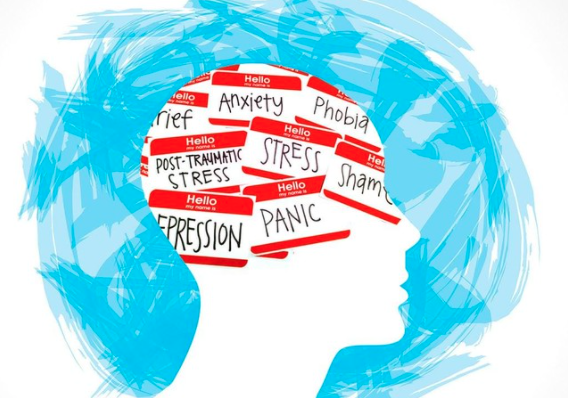


The ASUCI Mental Health Commission held a Zoom webinar, presented by Dr. Kate Kuhlman, on how to cope with and prevent depression during the COVID-19 pandemic on Nov. 24.
Kuhlman is an assistant professor in the Department of Psychological Science at UCI. She is a licensed clinical psychologist as well as the director of the Teen Resilience Project. She focuses on how experiences in infancy cause and shape diseases throughout an individual’s lifespan. Kuhlman teaches biological psychology and a social ecology field study class for undergraduates at UCI. Additionally, she teaches graduate courses on psychoneuroimmunology and developmental psychopathy.
In the webinar, Kuhlman first discussed what psychologists define as depression.
“Depression is a syndrome that involves having anhedonia, which is the inability to experience pleasure, or depressed mood which can be kinda sadness, tearfulness,” she said.
According to Kuhlman, depression is not an uncommon condition, with about 7% of individuals experiencing a depressive episode in any given 12 month period. In particular, the individuals that are affected the most are those that are between the ages of 18-25.
In a study conducted by Dr. Kenneth Kendler, Dr. Laura Karkowski and Dr. Carol Prescott, information about various sets of twins was collected for a decade. A clinical psychologist assessed the twins during any given 12 month period and would ask them about personal and network stressful events — personal events being events that happened directly to them and network events being events that happened within their close social network.
In total, there were 316 depressive episodes recorded in the study. The study showed the difference between being genetically prone to certain mental illness versus having certain events affect their likelihood of developing a mental health disorder. The study showed that major life events are more likely to affect an individual’s likelihood of developing a mental disorder than their genetic makeup.
Major life events can increase depressive symptoms. However, the symptoms are usually temporary or until the individual can cope with the major life event that occured in their life. Some of these life events include financial difficulties, loss of relatives, serious illness of loved ones, or even moving out and going to college.
Kuhlman noted that it is normal to feel symptoms of depression when going through several life events.
“If you have three or more major life events in the last 12 months, you should be depressed, probably. That’s how our body works,” she said.
Although it is normal, Kuhlman says that people should be proactive in keeping track of their symptoms.
According to Kuhlman, stress is “a mismatch in resources and demand.”
One example of stress that Kuhlman gave was a student studying for finals. The student is stressed because something is being asked of them, and the student isn’t sure they have enough resources to succeed.
According to Kuhlman, one way to monitor depressive symptoms is to take the PHQ-9 questionnaire, which will give the individual an understanding of how severe their symptoms are and when to seek help.
If an individual scores a 10 or higher on the PHQ-9 questionnaire, their symptoms are moderate to severe and they should seek help from a professional. If an individual scores less than 10, then they are having mild symptoms and could have had a recent stressor in their lives.
For individuals with mild symptoms of depression, Kuhlman provided a preventative depression plan. Some of the items on this plan include getting enough sleep every night, eliminating bright lights and caffeinated drinks before bed, and no screen time an hour before bed.
Other practices that individuals can engage in to help prevent depression include taking 30 minutes each day to enjoy a favorite snack or tactile object. Additionally, Kuhlman recommended writing a list of gratitudes in a journal.
Some of the resources for mental health UCI offers include mediation sessions and yoga. The UCI Center for Student Wellness is currently offering guided meditation practices every Monday from 2-2:20 p.m. on their Instagram Live. UCI Campus Recreation is offering online workout classes that include belly dancing, climbing exercises, cardio, pilates and free workouts.
Magaly Bravo is a Campus News Intern for the Fall 2020-2021 Quarter. She can be reached at bravomt@uci.edu

Interested in becoming an intern or a contributing writer for the Campus News section?
Contact us at campusnews@newuniversity.org!