



Editor’s note: The article was originally published on March 2, 2026. An editor’s note was added on July 10, 2026. An author title was added to this article on June 29, 2026.
You’re sitting in Langson Library. It’s 2:55 p.m. Your eyes begin to slowly shut, and your head begins to droop downwards. Your next class is at 3:30 p.m., but your off-campus place is too far to go back to and take a nap. If you rest your head against the table, you’ll wake up in the next 20 minutes with neck pain, or even, not at all. However, if you try to make it through the next hour, you’ll end up falling asleep in class and fall short of how productive you could have been had you just taken a quick power nap.
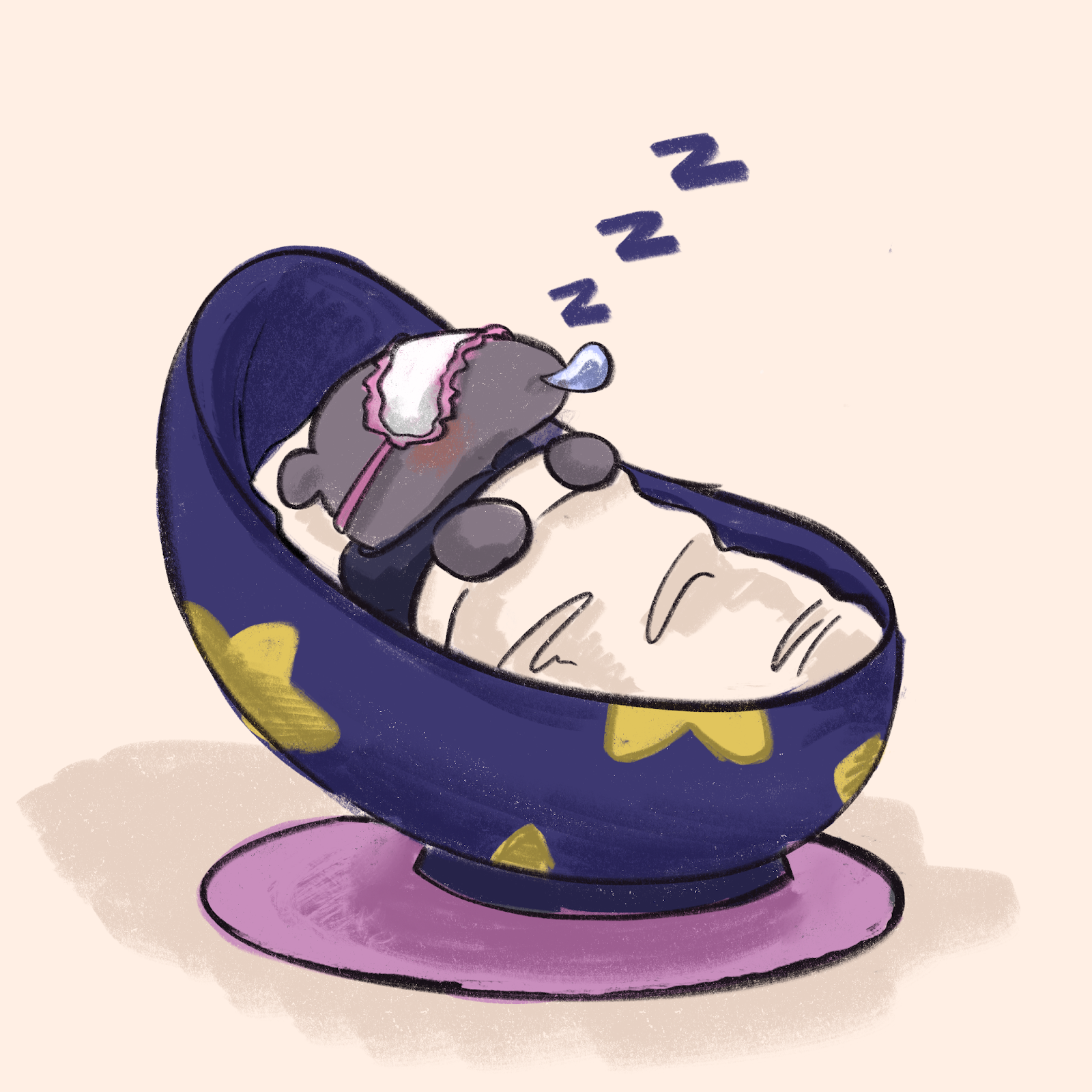
A nap pod would be the perfect solution. Investing in these optimal sleeping capsules would give students a quick place of rest, boosting their productivity and well-being during the school day. The desks in the UCI libraries offer lousy back support that may mess with students’ body alignment, unlike the nap pod. If UCI is serious about students’ academic performance, mental health and success, it’s time they invest in campus nap pods and bring back nap time.
Research consistently shows that 20-30 minute “power naps” improve alertness, memory retention and cognitive functioning. This can mean better recall for a midterm, sharper focus during lectures and fewer doomscrolling sessions. If UCI already emphasizes student wellness at every orientation, why not implement one of the most important components of wellness for everyone — good sleep?
In countries like Spain, the tradition of the siesta recognizes something Americans often ignore: human energy naturally dips in the early afternoon. Having a midday break allows people to reset and return more focused, therefore working more productively.
When students know they have a structured break built into their day, they are often more motivated to complete their work efficiently beforehand. Without that reset point, productivity drags. People naturally follow Parkinson’s Law, expanding their work to fill the time they allocated for it. When that fatigue adds to a time drag, work ends up taking longer than it originally should have. But nap pods can help with students getting their days back on track.
Many models of nap pods include ergonomic support that ensures proper spinal alignment, special lighting that helps regulate the body’s internal clock, and soothing sound options like white noise or relaxing nature sounds. Implementing nap pods with a clear time limit of up to 20 or 30 minutes would allow students to flow in and out, offering Anteaters a quick place to rest and move on with their day.
Other UC’s including UCLA, UC Berkeley, UCR and UCSB, have already gotten nap pods or some variation of resting spots for their students. They understand that a well-rested brain performs better than an exhausted one. And the question is not whether students will nap — they already do. Anteaters nap in their cars, on Aldrich Park’s grass, in lounge chairs or during lectures. A big difference is that nap pods would be healthier for the spine and better suited for rest. Why hasn’t UCI gotten the hint?
With the amount of commuters on UCI’s campus, it is absurd that nap pods have not yet been implemented. Commuters, often traveling anywhere from 10 minutes to over an hour, do not have a place they can rest in between classes to get a quick power nap in. And sleeping in a car should not be an option, assuming the commuter has access to one.
Sleeping in one’s car carries serious risks, including carbon monoxide poisoning and unnoticed temperature changes. It can also condition people to associate the driver’s seat with being a place of rest, which is an unsafe habit.
Aldrich Park isn’t a sustainable nap spot either. Assuming the weather cooperates, sleeping on the grass can leave students damp from the ground, covered in grass like Velcro and half-awake from the steady stream of students stepping around them.
As for the desks and lounge chairs scattered across campus, they skew spines into unnatural angles, leaving students with cramped necks, sore shoulders and a disorienting fog that makes them feel worse than before they fell asleep. A rigid wooden chair outside Engineering Hall or a classroom rolly chair is not built the same way a nap pod is.
With UCI taking pride in its student success initiatives, the university should be doing better for their students. By implementing nap pods and normalizing a place to get a quick nap in, UCI could enhance their students’ cognitive performance, reduce burnout and make academic success more attainable for all students.
The anteater does not hibernate. But perhaps it should power nap.
Julia Kremenetsky is an Opinion Staff Writer. She can be reached at jkremene@uci.edu.
Edited by Isabella Ehring and Tracy Sandoval

Julia Kremenetsky is in her final year majoring in Political Science! She is an Assistant Opinions Editor for the 2026-27 year. Since joining in April of 2025, she has written stories ranging political issues, social media and trends, current events, and more. Outside of the New U, Julia loves spending time with her dogs, spending time in nature, and watching YouTube video essays about obscure topics.