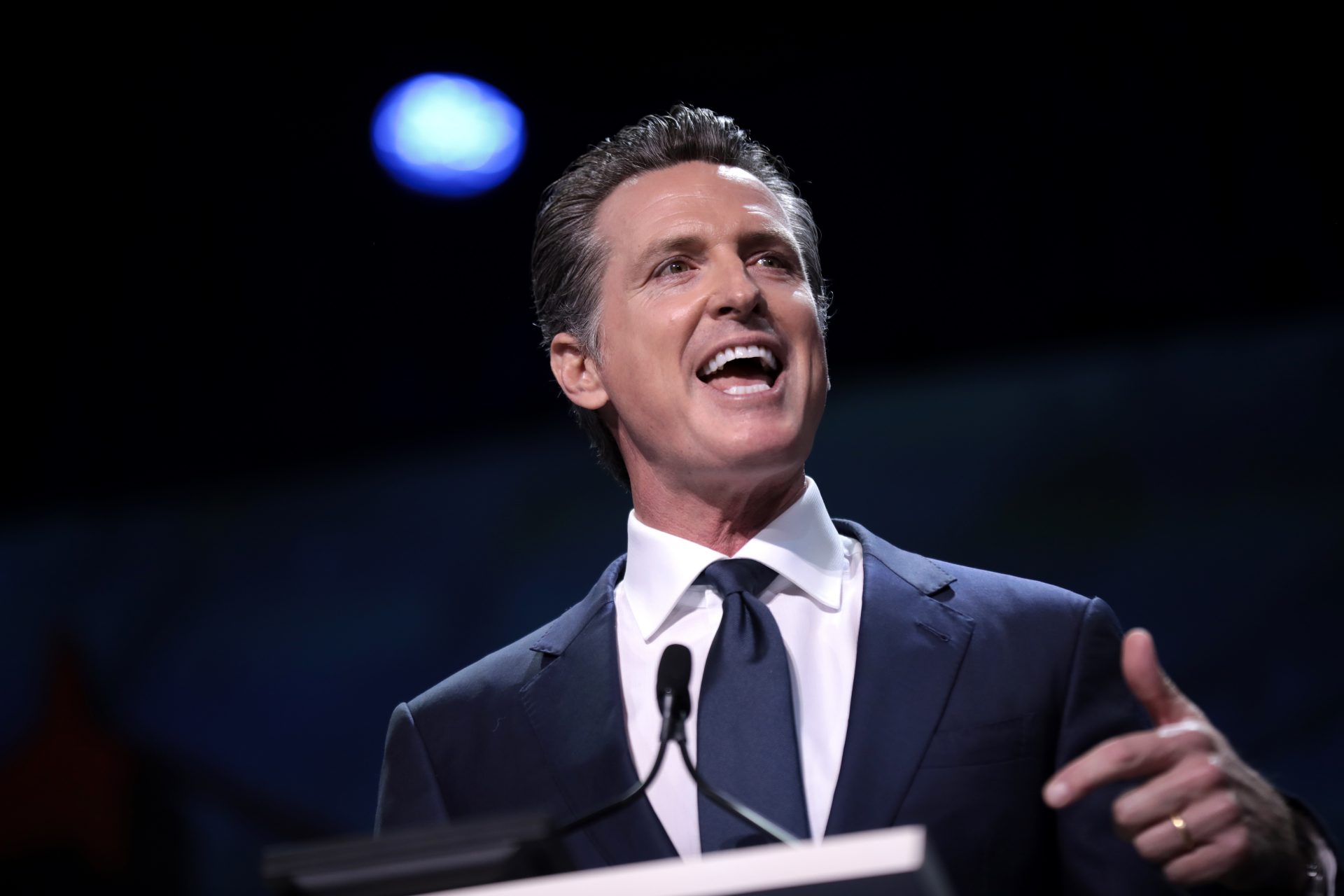

Gov. Gavin Newsom has announced the state of California’s annual budget plan for the fiscal year 2021-22, consisting of $227.2 billion in total. This is the state’s highest budget to date, compared to last year’s budget of $222.2 billion.
An Immediate Action Package within the budget seeks to provide COVID-19 relief to low-income workers, small businesses and educational institutions that are seeking to safely reopen. It also funds more rapid distribution of COVID-19 vaccines throughout the state.
According to the proposal, the package will allot $2.4 billion in funds to establish the Golden State Stimulus program, which will distribute $600 stimulus payments to low-income workers. Those eligible for aid include workers who qualified for the federal Earned Income Tax Credit in 2019 and those who filed for an Individual Taxpayer Identification Number in 2020.
In addition, the package funds $575 million in grants to small businesses and nonprofit cultural facilities, as well as $70 million in direct targeted relief to these businesses. Services and restaurants are included in this initiative.
“With the end of the COVID-19 pandemic in sight, the Governor’s Budget prioritizes key actions that will urgently help the California families and businesses impacted most,” an official press release accompanying the proposal said.
The most direct initiative addressing COVID-19 allots an initial $372 million to facilitate COVID-19 vaccine distribution, “bolstering the state’s all-hands-on-deck approach to swift and safe vaccine distribution,” according to the press release.
“In these darkest moments of the COVID-19 pandemic, this Budget will help Californians with urgent action to address our immediate challenges and build towards our recovery,” Newsom said in the press release. “As always, our Budget is built on our core California values of inclusion, economic growth and a brighter future for all.”
These immediate pandemic relief items accompany a proposed $14 billion investment in the recovery of California’s economy. $4.5 billion of these funds are set to fund businesses and job creation.
To address education, the plan suggests that in-person instruction in schools can resume as early as February. The budget offers $2 billion to the effort of reopening schools, which will initially be distributed to the youngest subset of students.
The proposal also distributes $90 billion in general funding to K-14 education, an all-time high within any California budget. These funds will be used to increase equity as well as to combat the effects of COVID-19, especially within students disproportionately impacted by the pandemic.
In the realm of higher education, California expects to allot an additional $786 million to the General Fund of its public university systems, the University of California and California State University, for a growth of $951 million in this area compared to the revised 2020-21 budget. Total state expenditures for education equal 35.2% of the complete budget.
Additional investments address climate change, emergency preparedness for wildfires and homelessness.
“Our response to COVID-19, and in turn this Budget, advances investments that help improve access to healthcare, quality education, childcare and economic security through this pandemic and beyond,” Newsom said in a message accompanying the budget summary. “This Budget leverages California’s many strengths, among them our people, our innovation and our diversity. It remains anchored in the principles of equity, opportunity and responsible governing that have undergirded our previous budgets.”
The budget will be reviewed and updated by Newsom in May. Most items will officially be implemented in July when the 2021-22 fiscal year begins.
Ariana Keshishian is a City News Apprentice for the 2021 winter quarter. She can be reached at ankeshis@uci.edu.