

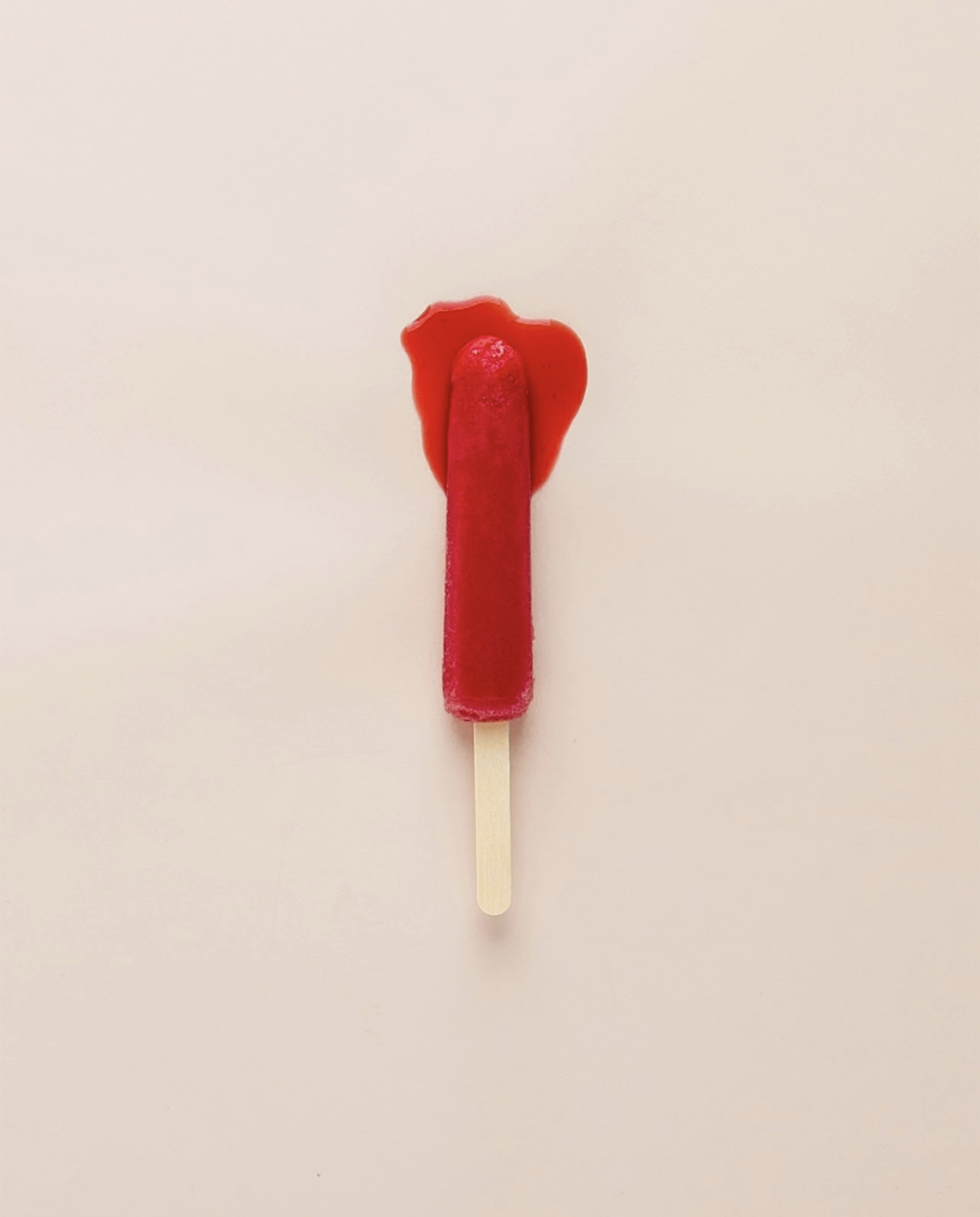

The often taboo topic of menstruation reflects the dismissal and invalidation of women’s health. The health concerns of people who menstruate are often taken as irrational or even exaggerated, as menstruation is still whispered about or treated as shameful in many cultures.
Each month, approximately 1.8 billion people worldwide menstruate. Despite how many people experience menstrual cycles, there is still inaccessibility of resources surrounding the topic of period health. Not only does this stigma create discomfort in one’s own body, but it also has real consequences of unwarranted sales taxes, toxic ingredients in sanitary products and body image issues in young people.
The disproportionate silence surrounding the topic of menstruation in less developed countries directly fuels period poverty — a crisis that affects millions, yet rarely receives the urgency it needs. Girls in nations with greater gender inequality are discouraged from attending school once they have received their period, they lack access to menstrual products and they are not educated about menstrual health in their classroom or at home.
In some communities, girls are even pushed toward early marriage and motherhood once they start their period, cutting their education short entirely.
While the consequences are much more extreme in less developed countries, period poverty is not limited to them. In developed nations like the U.S., people who menstruate still struggle with accessibility to afford menstrual products — showing that the issue of period poverty is global, even if the severity differs.
When menstrual products are treated as luxury items instead of basic necessities, low-income families or individuals face difficult trade-offs; buying pads or tampons competes with buying other necessary goods like groceries.
The lack of affordable products forces many people who menstruate to resort unsafe alternatives — such as tissues and rags — or prolonging the use of a product beyond what is sanitary.
In the U.S., the tampon tax refers to the sales tax that is applied to menstrual products because they are not considered medical necessities. The tax is a monetary result of the systemic belittlement of menstrual health. Although most U.S. states remove sales tax from non-luxury items such as groceries and prescriptions, the majority of them still apply taxes to menstrual products. In the eyes of many politicians and lawmakers, menstruation is not an important part of public health.
This same attitude of dismissal extends towards the lack of regulation around the manufacture of menstrual products. Studies have shown that menstrual products often contain harmful substances, including heavy metals and volatile organic compounds, which can cause serious health issues such as cancer and organ damage. However, menstrual products are not required by the FDA to be tested regularly for toxic chemicals.
Additionally, education around periods and menstrual cycles is increasingly inadequate. In the U.S., fewer elementary and middle schools are teaching sexual health education, a trend that directly affects lessons on puberty and menstruation.
The lack of conversation and social support surrounding menstruation has been proven to have even deeper impacts on girls who mature earlier. They are often at higher risk of body image issues, depression and lower self-esteem. Moreover, girls who felt unprepared for menstruation are more likely to report worse experiences of their first period and more negative attitudes towards menstrual cycles.
Issues of stigma, affordability, regulation and education form a cycle of ignorance that affects the health of millions. Menstruation is not meant to be treated as a small issue or a private inconvenience but as a public health matter and human rights concern. Treating it as any less reinforces the idea that people who menstruate can be ignored — and we should not be.
Deanza Andriansyah is an Opinion Staff Writer. She can be reached at dandrian@uci.edu.
Edited by Isabella Ehring

Deanza is majoring in Sociology and International Studies at the University of California, Irvine. She is an opinion writer for New University and enjoys writing about social phenomena, politics and feminism.

