

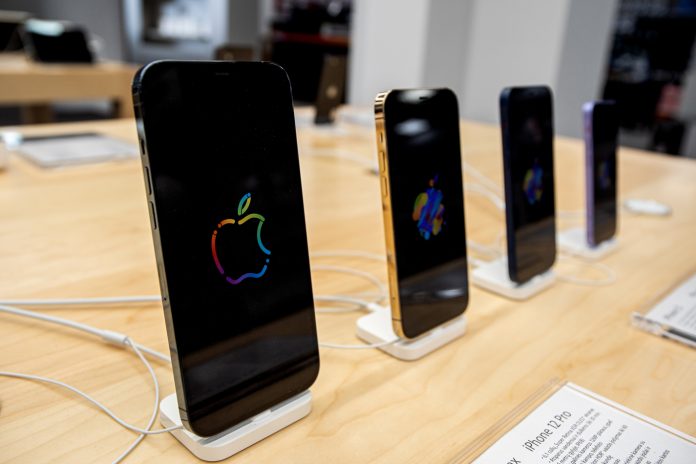

Less than a month after the release of the iPhone 13, Apple announced its new MacBook Pro, third-generation Airpods, HomePod mini and updated M1 chip. These products were highly anticipated, bringing numerous new features and enhancements useful for photo and video editing professionals — but what about for the everyday consumer?
For them, there were the slightly updated Airpods and the HomePod in new colors. Several formerly removed features of the MacBooks, such as the HDMI and SD ports, were also brought back, and the newer ones, such as the touch bar, were removed. For anyone looking to upgrade their older device, it would seem like a waste of previously bought “dongle” accessories. This begs the question: is technology cyclical the way fashion is, or are variations of previous models being branded as innovation?
Asking any random sample of people about their opinions on Apple products will elicit completely different reactions: they either love it or hate it. The most common reason cited for the latter is that people either believe there’s a lack of creativity put into new Apple devices, or that the devices are simply not worth their price points. This is seen through the new memes on social media inspired by every new launch.. Yet despite the criticism, Apple’s sales continue to skyrocket.
Instead of creating completely new forms of technology — something that Apple had pioneered when they first emerged in the tech industry — the company has focused on improving their existing designs. For example, fans of Apple can look forward to a notch in the new MacBook Pro instead of a solid border and a redefined structure forAirpods. While their focus on improvement isn’t necessarily a negative aspect of their work, it brings up the possibility of planned obsolescence — the creation of a product with a limited lifespan as a way to guarantee sales for future products. As consumers look for newer products to replace their older ones, they promote the materialistic aspect of capitalism as well; the necessity of newer products stimulates society and economies, but adds to the waste.
Several popular jokes surrounding Apple include the idea that their launch of upcoming devices means that their older ones will slow down or dwindle in performance. Even though this sounds like nothing more than a joke, there have been several lawsuits against Apple regarding the intentional slowing-down of older device models through new software updates. It seems that Apple can make all the promises they want about transparency and the depleting functionality of their older products — their adored public image never forces them to follow through.
Additionally, the company also uses their new improvements to cite their environmental commitments and contributions to sustainability. However, despite mentions of using recycled aluminum in the creation of their devices, Apple fails to bring up the electronic waste created once the public starts buying newer device models and discarding older ones. Since these older parts were not made with the same sustainability standards, they often do not have the similar parts for reusability.
As the newer Apple devices serve as enhanced models of older products, the everyday consumer will probably not be an enthusiastic buyer of this technology. To the everyday individual, technology should be a form of investment — something that will last longer without needing to be physically upgraded every couple of years. In Apple’s case, attempts to target different consumer bases may alienate them from regular buyers. People that use their phones and personal computers for basic, everyday use may not feel the need to buy a newer version of it every two, or even five years — and after that, they may slightly lose interest in the brand itself, if there is no real innovation. The alleviation of materialism can only prosper if there are new designs to take hold of; since a company like Apple will thrive on the materialistic desires of their consumers, they will expect them to continue to indulge in their “new” launches, but this may end up hurting them unless they actually create a completely revolutionary product.
At the end of the day, technology and its upgrades are a double edged sword; we look for improvements all around us, but we will also add to unnecessary materialism around us.
Nandini Sharma is an Opinion Intern for the fall 2021 quarter. She can be reached at nandis2@uci.edu.

Interested in becoming an intern or a contributing writer for the Opinion section?
Contact us at opinion@newuniversity.org!