


Editor’s Note: This article contains mentions of substance abuse and suicidal thoughts.
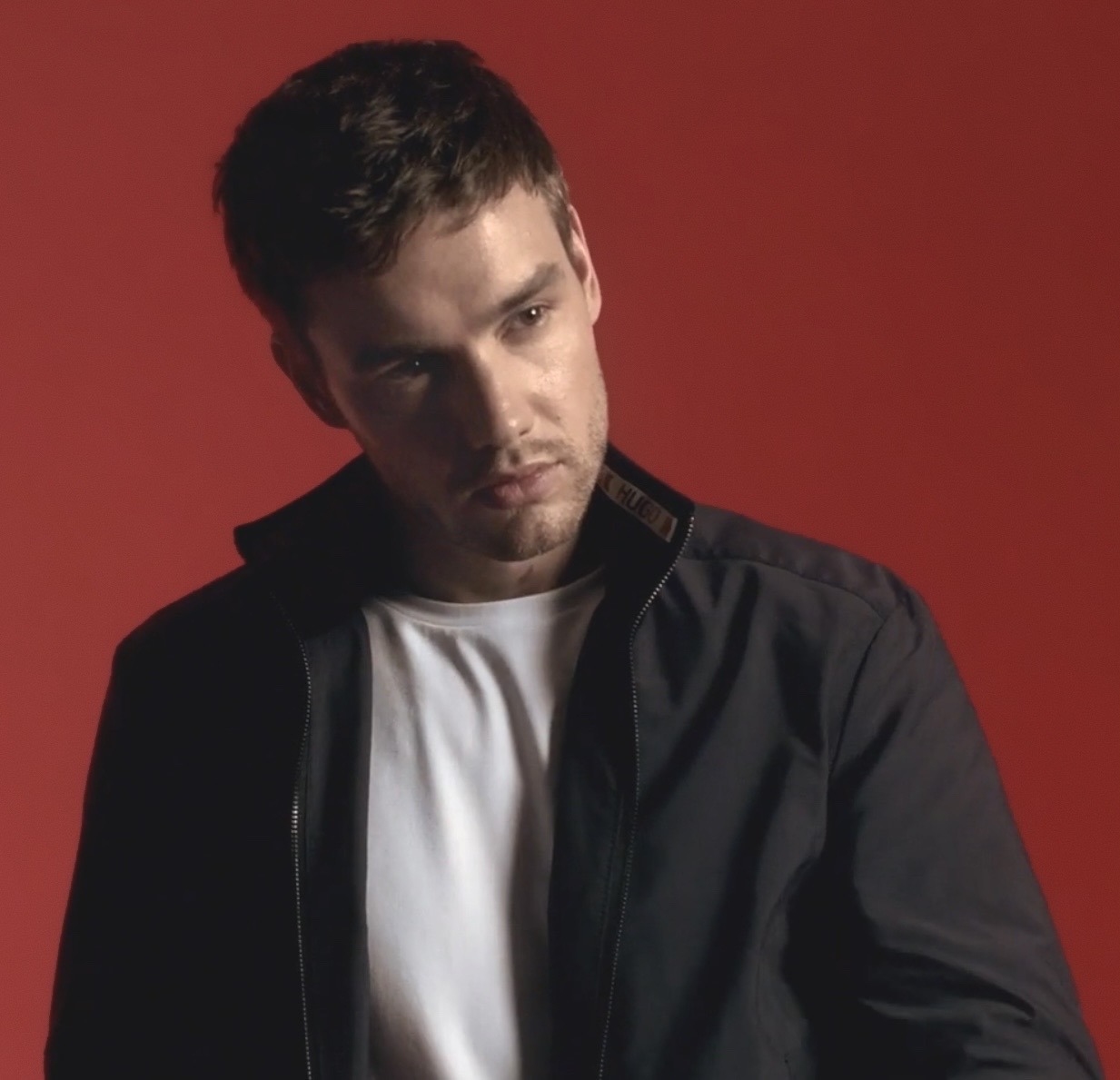
Authorities in Buenos Aires continue to investigate the death of pop artist and former One Direction singer Liam Payne, who was pronounced dead at the scene on Oct. 16 at age 31. Payne fell from the balcony of his hotel room while under the influence of drugs and alcohol. An autopsy report confirms that Payne died from injuries resulting from the fall, noting that he did not have any defensive wounds and thus did not try to protect himself and fell in an impaired state.
Police responded to a 911 call made by hotel staff minutes before Payne’s fall. The hotel manager requested urgent police assistance due to a guest who they suspected had taken “too many drugs and alcohol” and was destroying their hotel room. The manager expressed their fear for the guest’s life given that the room had a balcony.
While authorities have ruled out the possibility of the involvement of another person, they continue to investigate, as is procedure in cases of sudden or unexpected death. Investigations point to Payne being alone and experiencing a mental breakdown due to the substance use. One substance was confirmed to be “pink cocaine” — a recreational concoction of drugs, including methamphetamine, ketamine, MDMA, cocaine, benzodiazepine and others. While Payne’s body will remain in Argentina until the autopsy is complete, Payne’s father Geoff Payne is in Buenos Aires to claim and retrieve his son’s body.
After news of his death broke, fans of Payne and One Direction gathered at the Casa Sur hotel, forming lines that wrapped around the cordoned-off street outside the hotel. They created a makeshift memorial, leaving photos, candles and bouquets as a tribute to Payne.
One Direction remains one of the most popular boy bands to date, propelling all five members to international fame. The group was formed in 2010 on “The X Factor,” with judges Simon Cowell and Nicole Scherzinger grouping Harry Styles, Liam Payne, Zayn Malik, Niall Horan and Louis Tomlinson, who had each unsuccessfully auditioned separately.
The group has sold 70 million records and won over 200 awards, breaking records for their chart-topping albums. In 2015, Zayn Malik stepped back from the group, leading to the group going on an indefinite hiatus while each member pursued solo careers.
Payne had posted on his Snapchat that he was in Argentina to attend former bandmate Niall Horan’s concert on Oct. 2. His girlfriend, Kate Cassidy, posted videos of the two dancing together on TikTok before she departed from Buenos Aires following Horan’s show.
Payne has openly discussed his struggle with addiction in the past. In a 2019 interview with Men’s Health Australia Payne said that the group’s launch into sudden fame was “jarring, and at times lonely.”
“When you’re doing hundreds and hundreds [of concerts] and it’s the same 22 songs at the same time every single day, even if you’re not happy, you’ve got to go out there,” Payne said. “It’s almost like putting the Disney costume on before you step up on stage and underneath the Disney costume I was [drunk] quite a lot of the time because there was no other way to get your head around what was going on. [We had fun] but there were certain parts of it where it just got a little bit toxic.”
Payne described a constant struggle with his substance abuse, never feeling in control of it and experiencing moments of suicidal ideation. He posted a video on YouTube on July 8, 2023, marking six months of sobriety after completing rehabilitation in a U.S. facility.
Following his death, fans have petitioned for more laws to protect artists, especially celebrities who came into the spotlight at an early age. Dubbed “Liam’s Law” in Payne’s honor, U.K. lawmakers are being encouraged by fans to pass legislation that would require artists to have access to mental health professionals, regular mental health checks and adequate breaks.
Hilary Gleason, an executive director of Backline, a “non-profit that connects music industry professionals and their families with mental health and wellness resources,” spoke to NBC News about the proposed legislation. The intention behind the law has merit, as the demands of schedules, touring and fans certainly put pressure on artists; however, Gleason feels it is a difficult issue to legislate, with the matter of who is held responsible for an artist’s health remains unclear.
Gleason notes a recent shift in the attitudes of fans towards artists’ and their mental well-being.
“They’re willing to accept [cancellations] or time off from social media because … we’re understanding that artists are human,” Gleason said.
Hours after Payne’s death, TMZ posted an article containing photos of Payne’s body, cropped so viewers could only see identifying parts of him, such as his tattoos. The public’s outcry was so strong that TMZ later took down the images. While legal in the United States under the First Amendment, the incident, in conjunction with TikToks showing images of Payne’s hotel room, sparked debate on the privacy that celebrities and their families are entitled to.
Meg Heckman, an associate professor of journalism at Northeastern University, discussed with the Northeastern Global News why the images TMZ shared were seen as overstepping in the eye of the public. Heckman explained the need to find a balance between maximizing truth-telling while minimizing harm to vulnerable parties. There are some circumstances where sharing explicit or gory images is important to emphasize the gravity of a situation. However, in cases where the media is circulated purely for clicks, it violates that imperative balance.
Fans of Payne have started a petition demanding compensation for his family over the invasion of privacy.
In her book “Outrageous Invasions: Celebrities’ Private Lives, Media, and the Law,” Robin Barnes discusses that stronger legislation about paparazzi would be hard to pass. She notes that the First Amendment was created to safeguard individual liberties from government intervention — of course, it could not have predicted the monopoly on media.
“We’re in a situation where five or six major corporations own the media — not only the newspapers and television channels, but the magazines, Internet sites, blogs, the PR firms, the publishing houses,” Barnes told Today. “They keep the public focused on celebrities. When they can get people to focus on Tiger Woods and not the corporate scandals on Wall Street, they win.”
Payne’s tragic death is a harsh reminder that celebrities suffer for their fame, often paying with their mental health and wellness. As the public reflects on his legacy, his story raises crucial discussions about the entitlement that media and fans feel they have to celebrities’ lives, violating their privacy. These discussions have the potential to change the treatment of celebrities for the better.
Ananya Kashyap is an Arts and Entertainment Intern for the fall 2024 quarter. She can be reached at ananyask@uci.edu.
Edited by Alaina Retodo and Jaheem Conley.